Mikaela Santos (29, Quezon City, Metro Manila, Philippines): I’ve been struggling with acne for years, and I’m thinking about getting professional acne treatment. However, I’ve seen people experience redness, dark spots, and even scars after facial treatments. How common are complications after acne treatment? I’m especially worried about damaging my skin permanently.
Doctor’s Answer:
Serious complications after acne treatment are generally less common than temporary side effects, but their frequency depends on the treatment method, skin condition, and individual sensitivity. A randomized clinical trial found that 26.7% of patients using adapalene and 20% using benzoyl peroxide experienced adverse effects, which were mostly mild and temporary rather than serious complications.
There is no single complication rate that applies to every acne treatment.
Temporary dryness, redness, peeling, and mild irritation are more common than infection, burns, or permanent scarring.
Published percentages for acne medication side effects should not be confused with complication rates for professional procedures.
Clinical studies show that temporary adverse reactions can occur in a noticeable proportion of patients receiving acne medication, even when the treatment is considered generally safe. However, the likelihood of serious complications is different from the frequency of mild side effects.
A randomized, double-blind clinical trial published in 2013 compared adapalene 0.1% gel with benzoyl peroxide 2.5% gel in 60 patients with mild acne.
The researchers evaluated treatment effectiveness, tolerability, and adverse reactions during the study and follow-up period.
| Acne treatment | Patients reporting adverse effects | Findings |
| Adapalene 0.1% gel | 26.7% | Minimal, self-limited adverse events |
| Benzoyl peroxide 2.5% gel | 20% | Minimal, self-limited adverse events |
Babaeinejad SH, Fouladi RF. The efficacy, safety and tolerability of adapalene versus benzoyl peroxide in the treatment of mild acne vulgaris: a randomized trial. Journal of Drugs in Dermatology, 2013.
The researchers reported that both medications were effective for mild acne and that adverse events were generally minimal and self-limited. However, the relatively small sample means the results should not be interpreted as universal complication rates.
The most common side effects of acne treatment include temporary redness, dryness, peeling, tightness, and mild irritation. These reactions often occur because medications or procedures affect the skin’s surface, oil production, or normal renewal process.
Common reactions include:
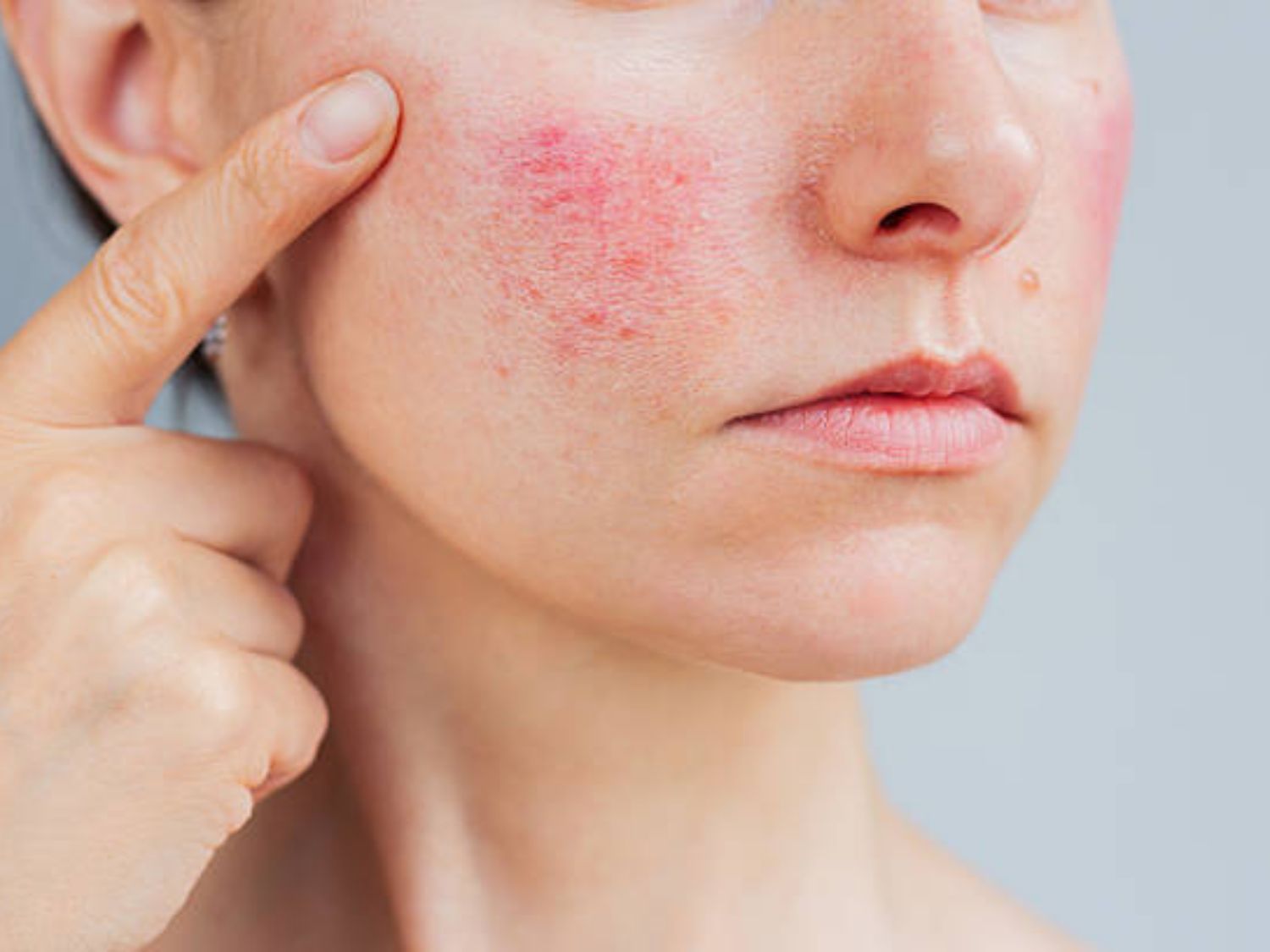
For Mikaela, mild redness after professional extraction would not necessarily indicate that something went wrong.
However, the intensity and duration matter. Severe pain, increasing swelling, or worsening inflammation should never be dismissed as a normal part of acne treatment.
Yes, acne treatment can occasionally contribute to dark spots or scarring, particularly when the skin experiences excessive irritation, burns, infection, or physical trauma. However, dark marks and permanent scars are not the same condition.
Post-inflammatory hyperpigmentation (PIH) is a common concern after skin inflammation. It develops when irritated or injured skin produces additional melanin, the pigment responsible for skin color.
These marks often look brown, gray-brown, or darker than the surrounding skin.
PIH may gradually fade, although improvement can take months, particularly when sun exposure continues.
A permanent acne scar involves structural changes in the skin, often appearing as a depression, raised area, or uneven texture.
Several factors increase the likelihood of unwanted marks or scarring:
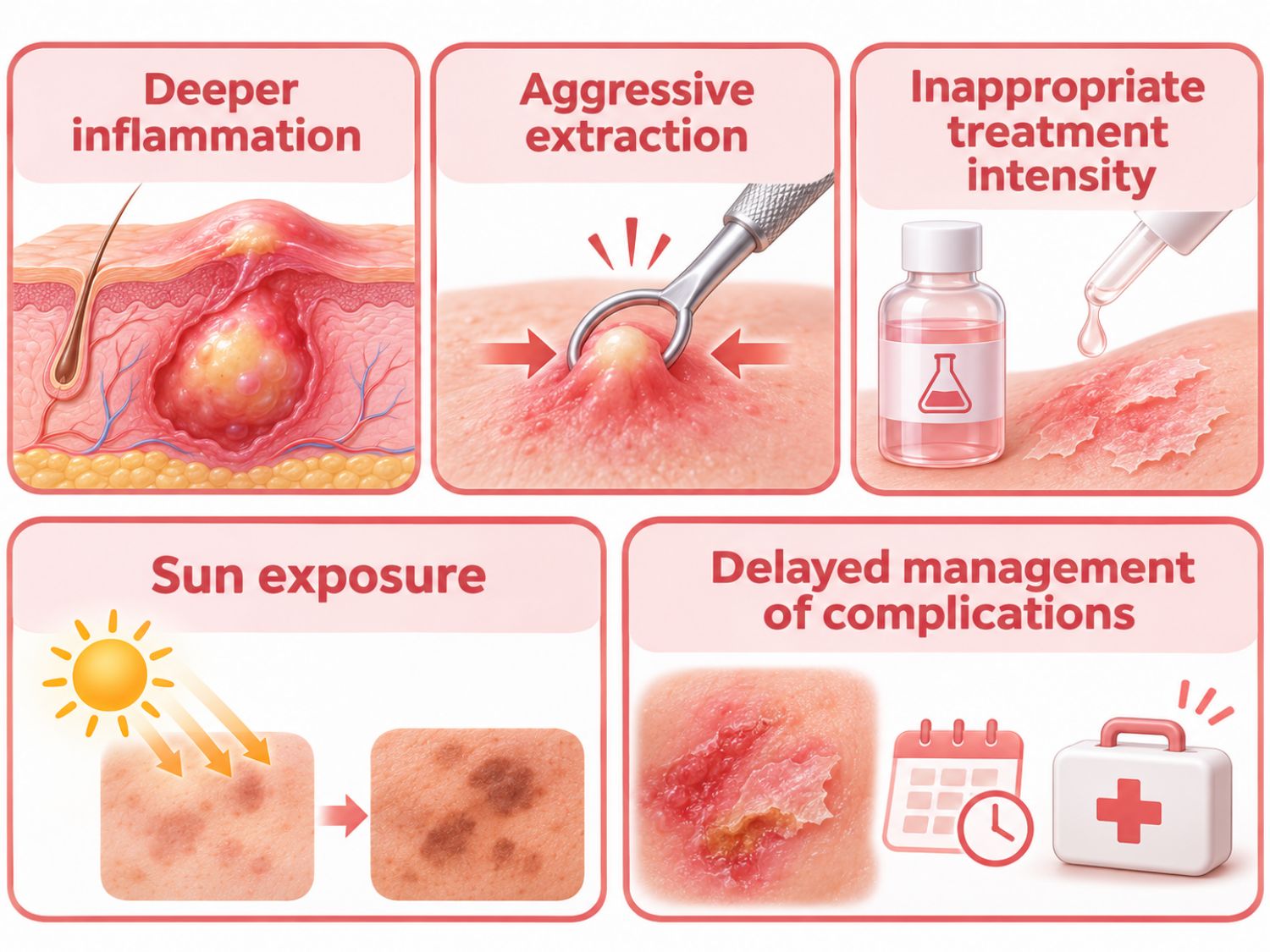
Mild redness or dryness may be expected after certain acne treatments, but worsening pain, spreading inflammation, pus, or blistering should prompt medical assessment. The pattern of recovery is often more important than the presence of a single symptom.
Symptoms that may be expected:
Warning signs requiring medical advice:
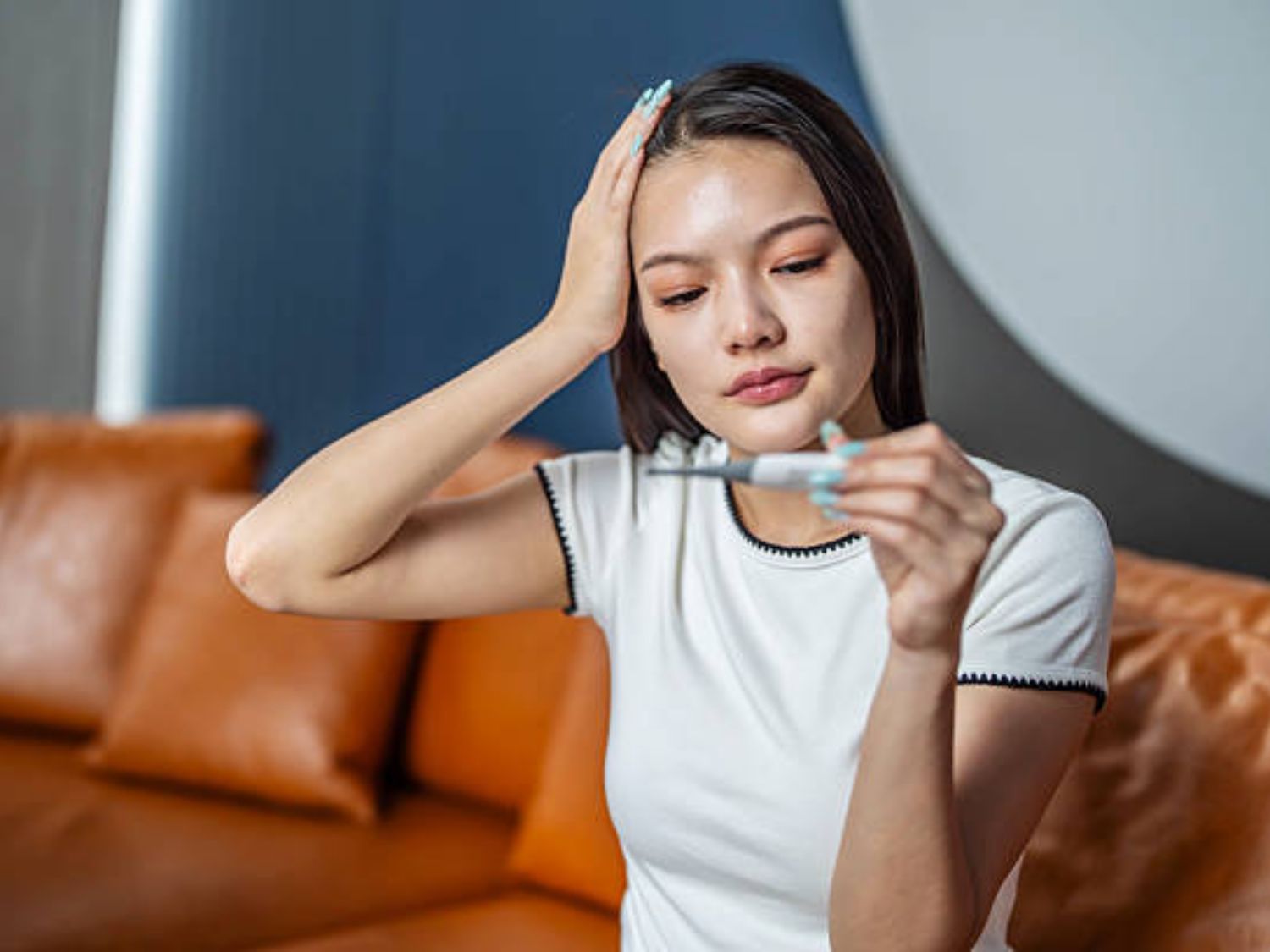
Difficulty breathing, throat swelling, or rapidly progressing facial swelling may indicate a severe allergic reaction and require emergency medical attention.
If a patient develops these symptoms, continuing acne products or waiting for the next routine appointment may delay appropriate care.
Some patients are more vulnerable to acne treatment complications because of their skin condition, medical history, or sensitivity to specific ingredients. This does not automatically mean they cannot receive treatment, but their care may require additional precautions.
Important risk factors include:
For example, a patient with active acne and a severely irritated skin barrier may benefit from gentler care before undergoing a procedure that creates additional skin irritation.
Similarly, someone who previously developed dark patches after a chemical peel may require a revised treatment plan rather than repeating the same approach.
The most effective way to reduce avoidable complications is to choose treatment appropriate for your acne severity and skin condition, then follow the prescribed skincare and recovery instructions. Stronger treatment is not automatically better treatment.
Before treatment:
After treatment:
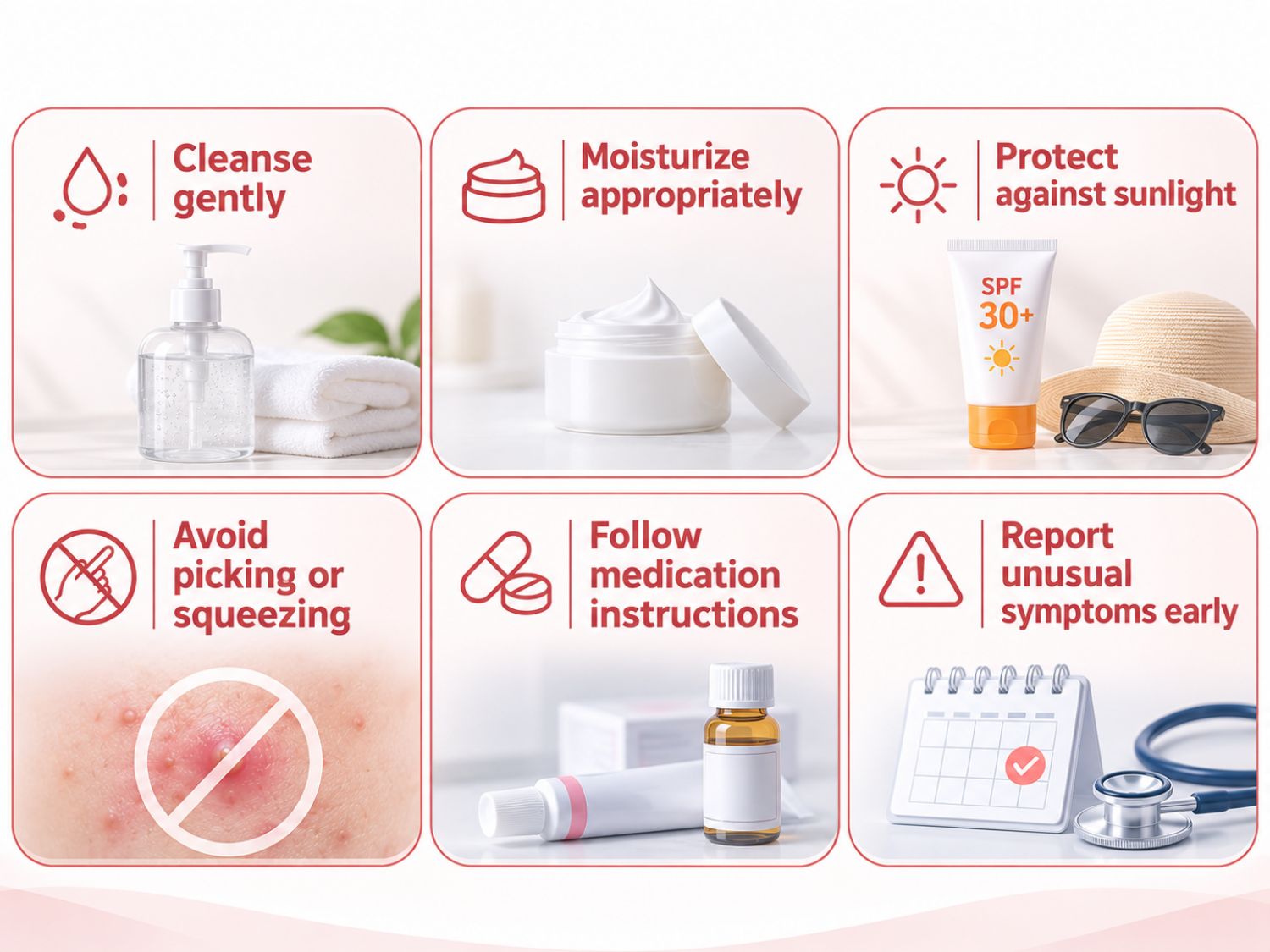
The American Academy of Dermatology’s 2024 acne management recommendations also emphasize combining appropriate treatments while limiting unnecessary oral antibiotic use to reduce antibiotic resistance and medication-related complications.
For patients with persistent acne, long-term control often matters more than attempting to eliminate every blemish in a single treatment session.
Sunwoo Aesthetic Center uses a doctor-designed, multi-technology acne treatment approach that begins with skin assessment and includes professional cleansing, selected extraction techniques, light-based procedures, and personalized home care. The purpose is to address active acne while considering inflammation, skin sensitivity, and recovery needs.
According to Sunwoo’s published Advanced Acne Treatment program, its eight-step approach includes:
The suitability of individual procedures should be determined by the treating medical team rather than assuming every step is necessary for every patient.
For Mikaela and other patients concerned about complications, the priority should be identifying the safest appropriate treatment options, rather than selecting a procedure based only on speed or promotional results.
Considering professional acne treatment in Metro Manila? Sunwoo Aesthetic Center in Taguig offers personalized acne consultations and a structured, doctor-led treatment program combining Korean-standard aesthetic care with professional skin assessment and aftercare guidance. Explore Sunwoo’s Advanced Acne Treatment or call +63 96 8885 8885 to arrange a consultation.
Serious complications such as infections, significant burns, and permanent scarring are generally less common than temporary redness, dryness, or irritation. However, their exact frequency varies by treatment, so there is no reliable universal percentage covering all acne procedures.
Mild redness and tenderness can occur after professional acne extraction and often improve within hours to a day, although recovery varies. If redness becomes more intense, spreads, or is accompanied by increasing pain or pus, contact a medical professional.
Some acne treatments may initially cause irritation or a temporary increase in visible breakouts. However, severe inflammation, painful new lesions, or persistent worsening should not automatically be considered normal purging and may require treatment adjustment.
No acne treatment is entirely risk-free, even when performed correctly by qualified professionals. However, proper skin evaluation, appropriate treatment selection, hygienic procedures, and consistent aftercare can reduce the likelihood of preventable complications.
Avoid picking the affected skin, use gentle skincare, and protect the area from sunlight to help prevent further darkening. A dermatologist can determine whether the marks are temporary post-inflammatory pigmentation or another condition and recommend suitable treatment.
Advanced Acne Treatment at Sunwoo: Technology, Benefits and Treatment Process
What Happens During Your First Consultation at Sunwoo Aesthetic Center?