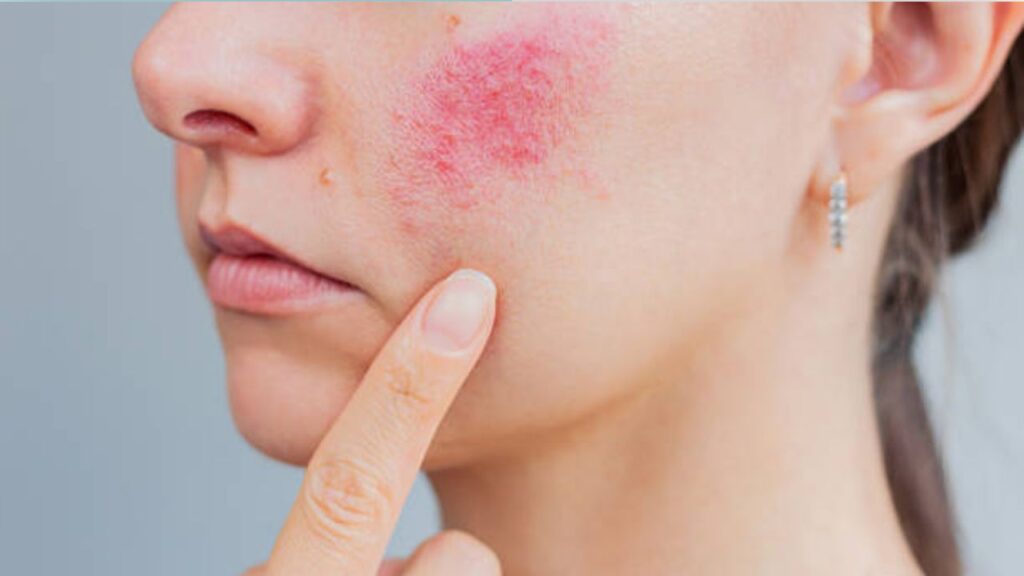
Patricia Anne Villanueva (29, Mandaluyong City, Metro Manila, Philippines): I’m planning to undergo professional acne treatment, but I’m currently using tretinoin cream and taking oral antibiotics for my breakouts. I’ve heard that some medications can make the skin sensitive or increase the risk of complications. What medicines should I stop before acne treatment? And what should I do if something feels wrong after the procedure?”
Doctor’s Answer:
Some medications and active skincare products may need to be temporarily paused before acne treatment, particularly topical retinoids, exfoliating acids, and products that increase skin sensitivity. However, prescription medications such as isotretinoin, antibiotics, and blood thinners should never be stopped without medical guidance.
Topical retinoids and exfoliating products may require temporary adjustment before certain professional acne procedures.
Oral isotretinoin does not automatically need to be discontinued before every skin procedure.
Antibiotics, blood thinners, and medications for chronic conditions require medical review rather than automatic discontinuation.
Unexpected burning, blistering, spreading redness, or severe swelling after treatment requires appropriate medical attention.
Before professional acne treatment, patients should review all prescription medicines, over-the-counter acne products, and supplements with their dermatologist. Some products may increase irritation or affect healing, while others can be safely continued depending on the planned procedure.
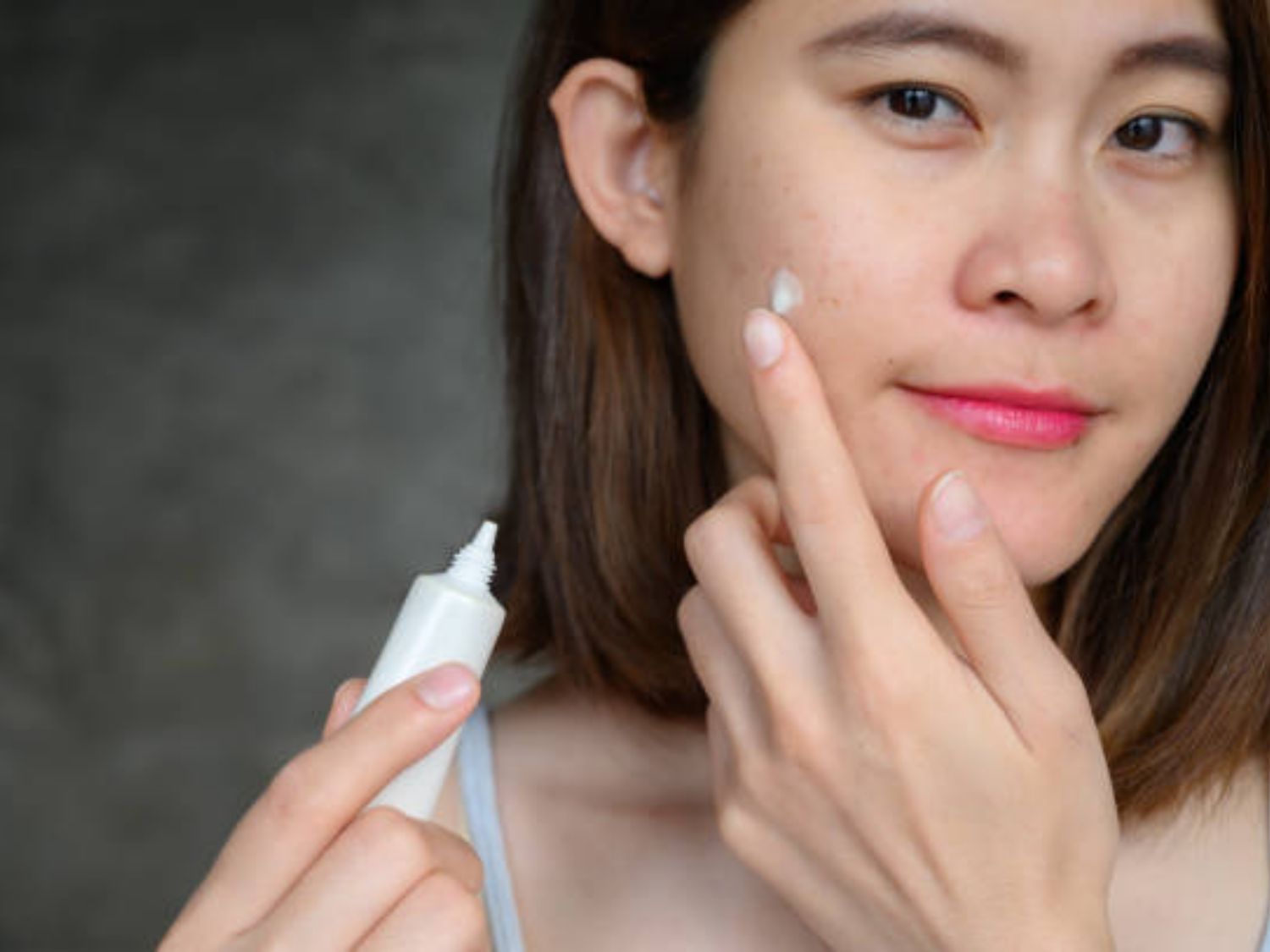
The table below summarizes common medication groups and their potential implications.
| Medication or product | Why it matters | Recommended action |
| Topical retinoids (tretinoin, adapalene, tazarotene) | May increase dryness and irritation during exfoliating procedures | Ask whether temporary pausing is necessary |
| Benzoyl peroxide | Can cause dryness, peeling, and irritation | May need adjustment before procedures that irritate the skin |
| Salicylic acid and AHA exfoliants | Additional exfoliation may increase skin sensitivity | Avoid combining with strong procedures unless instructed |
| Oral isotretinoin | Requires consideration of procedure type and skin condition | Inform your doctor; do not stop automatically |
| Oral antibiotics (doxycycline, minocycline) | Some increase sun sensitivity or interact with other medications | Review with your prescribing doctor |
| Aspirin and other blood thinners | May increase bruising or bleeding during invasive procedures | Never discontinue without medical approval |
| Steroids and immunosuppressive medications | May influence infection risk or wound healing | Disclose medication and underlying condition |
Topical retinoids, including tretinoin, adapalene, and tazarotene, may need to be temporarily paused before procedures that exfoliate or irritate the skin. These medications help prevent clogged pores but can also cause dryness, peeling, and increased sensitivity.
Potential concerns include:
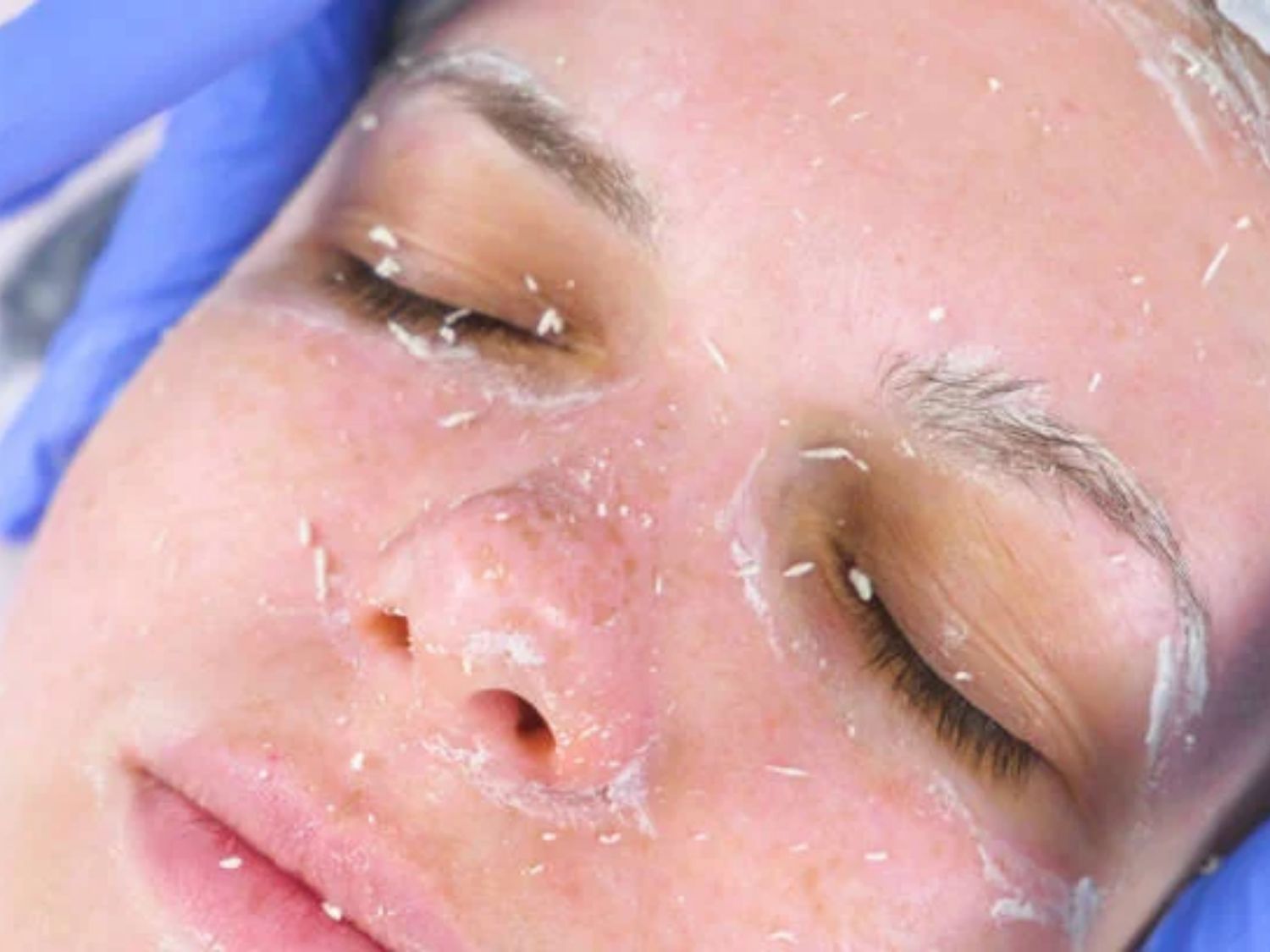
How long should you stop tretinoin before acne treatment?
Some dermatologists recommend temporarily pausing topical retinoids for several days before certain chemical peels or laser procedures. However, there is no single evidence-based stopping interval that applies to every acne treatment.
For a gentle consultation or non-exfoliating treatment, discontinuation may not be necessary.
For Patricia, the dermatologist should review her tretinoin concentration, application frequency, current irritation, and planned procedure before recommending any changes.
Oral isotretinoin does not automatically need to be stopped before every professional acne procedure. Whether treatment can continue depends on the procedure’s depth, expected skin injury, and the dermatologist’s assessment.
Isotretinoin is a prescription medication used to treat severe or treatment-resistant acne.
It reduces oil production and can significantly improve acne, but it commonly causes dryness and skin sensitivity.
Traditionally, patients were often advised to avoid cosmetic skin procedures for at least six months after isotretinoin treatment.
However, more recent scientific evidence has challenged this blanket restriction.
A 2026 scientific review published in Dermatology Online Journal evaluated the safety of dermatological and surgical procedures in patients taking isotretinoin.
The researchers found that most contemporary studies reported normal wound healing and low rates of abnormal scarring after many dermatological procedures. They concluded that routinely postponing all procedures solely because of isotretinoin may be unnecessary, although additional research is needed for higher-risk patients and procedures.
Scientific reference: Ghali H, et al. (2026). Examining the safety of dermatological and surgical procedures in patients undergoing systemic isotretinoin therapy: An updated review.
Some antibiotics and prescription medications can influence acne treatment safety by increasing light sensitivity, affecting healing, or interacting with other medicines. However, most require medical review rather than automatic discontinuation.
Oral antibiotics

Blood-thinning medications
Steroids and immune-suppressing medications
Important medication interaction
Oral isotretinoin should not be combined with tetracycline-class antibiotics such as doxycycline without specialist review because the combination increases the risk of intracranial hypertension, a potentially serious increase in pressure around the brain.
A patient taking both medicines should contact the prescribing clinician promptly to review the regimen.
Patients should not independently discontinue prescribed medications for chronic health conditions, blood clot prevention, or ongoing medical treatment before an acne procedure. Abrupt discontinuation may create health risks that are more serious than the potential side effects of the skin treatment.
Medications that should not be stopped without professional guidance include:
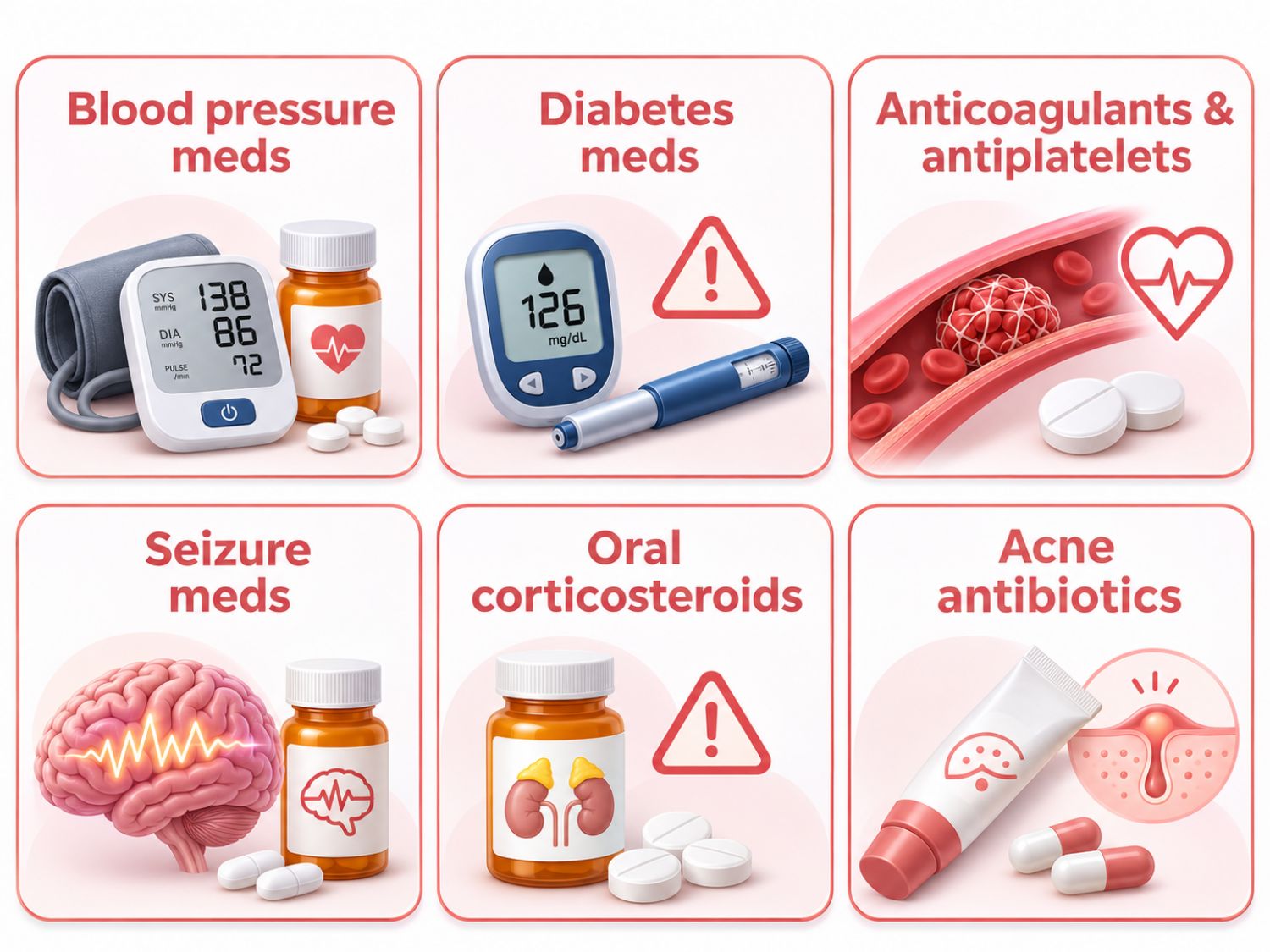
The safest decision may be to modify the acne procedure rather than interrupt an essential medication.
For example, a patient taking a blood thinner may be able to receive certain non-invasive skincare treatments while postponing a procedure that presents a higher bleeding risk.
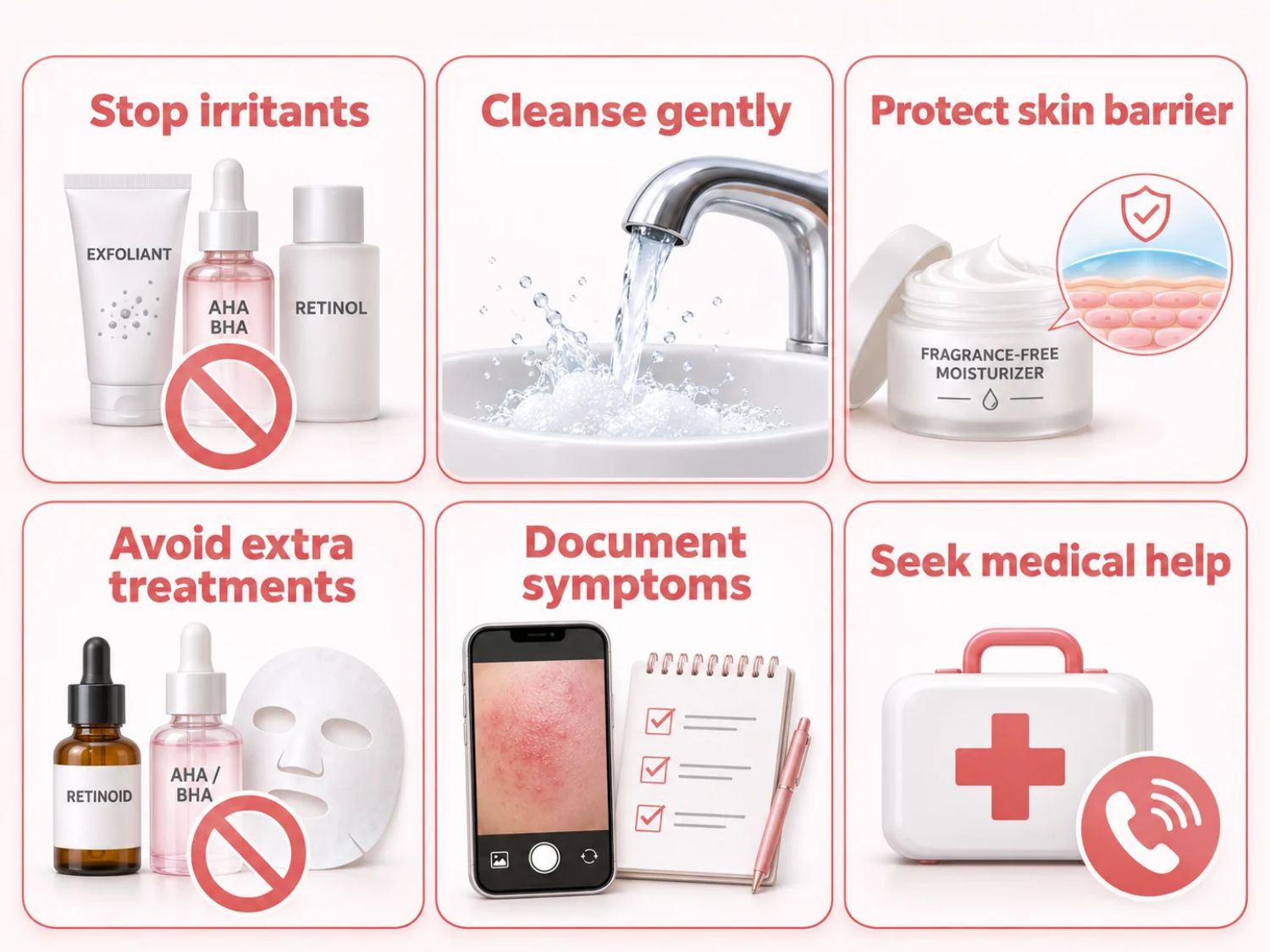
If your skin develops unexpected burning, swelling, severe redness, or other unusual symptoms after acne treatment, stop suspected irritating topical products and contact your treating clinician. Mild dryness or redness may occur after some procedures, but worsening symptoms require careful assessment.
Recommended steps:
When is emergency care necessary?
Difficulty breathing, throat swelling, fainting, or rapidly developing swelling of the lips or tongue may indicate a severe allergic reaction.
These symptoms require immediate emergency medical attention rather than waiting for a routine dermatology appointment.
For Patricia, discomfort after treatment could be related to her existing tretinoin routine, the procedure itself, or another cause. A dermatologist should evaluate the symptoms before recommending when to restart her acne products.
Planning professional acne treatment in Metro Manila? Sunwoo Aesthetic Center in Taguig combines doctor-led consultations, Korean-standard aesthetic care, and a structured multi-technology acne program to support individualized treatment decisions. Visit Sunwoo Advanced Acne Treatment or contact +63 96 8885 8885 to arrange a consultation and review your current medications before treatment.
Not necessarily, because the required preparation depends on the procedure and your skin’s tolerance. Your dermatologist may recommend temporarily pausing tretinoin before certain chemical peels or laser treatments, but a full week is not universally required.
Many patients can continue prescribed doxycycline during routine acne care, but the treating dermatologist should know about it. Doxycycline can increase light sensitivity, so additional precautions may be necessary if laser or light-based treatment is planned.
Not all vitamins or supplements need to be discontinued before acne treatment. However, you should disclose them because some supplements may affect bleeding risk or interact with prescription medications, including vitamin A supplements taken alongside isotretinoin.
Advanced Acne Treatment: Technology, Benefits and Treatment Process
What Happens During Your First Consultation at Sunwoo Aesthetic Center?
Why Choosing a Licensed Dermatologist Matters for Your Aesthetic Treatments
Meet the Medical Team Behind Sunwoo Aesthetic Center: Expertise, Care & Commitment