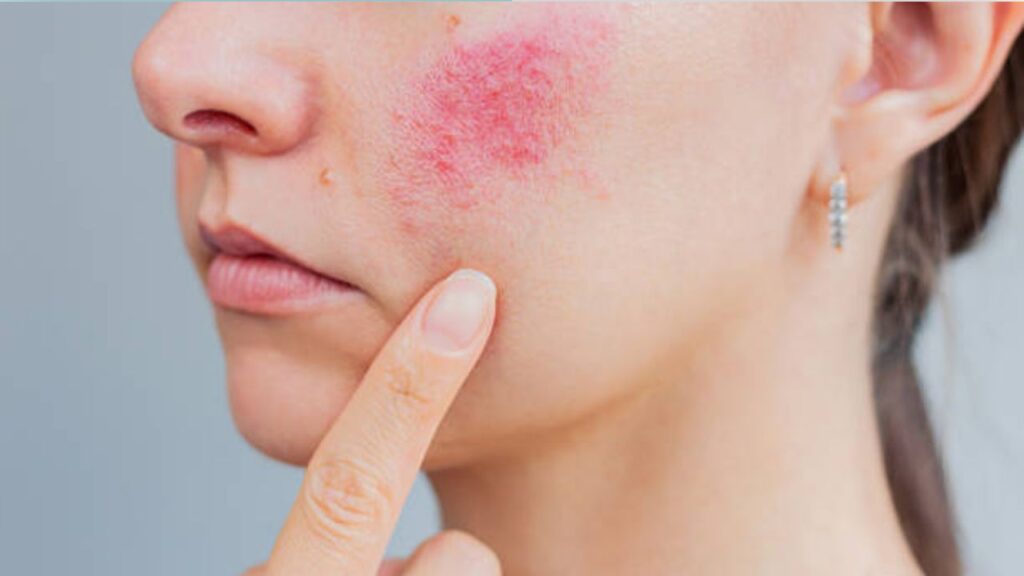
Danica Villanueva (29, Pasig City, Metro Manila, Philippines): Can acne treatment go wrong? I’ve been dealing with recurring acne for over a year, so I tried a professional facial and started using a stronger acne cream. Instead of improving, my skin became red, irritated, and developed more painful pimples. I’m worried that another treatment might make everything worse. How can I tell if my treatment is failing, and what should I do next?
Doctor’s Answer:
Acne treatment can go wrong when the wrong method is used, the skin is treated too aggressively, or the underlying cause of acne is not properly addressed. This may lead to worsening breakouts, skin irritation, pigmentation changes, infection, or scarring. However, not every temporary flare-up indicates treatment failure; identifying the cause early allows the treatment plan to be adjusted before further damage occurs.
Acne treatment can fail because of incorrect diagnosis, unsuitable procedures, excessive product use, or poor treatment follow-up.
Mild temporary irritation is different from worsening inflammation, burns, or infection.
A treatment that produces no improvement may be unsuitable even without obvious side effects.
Professional skin assessment and timely treatment adjustments help reduce the risk of lasting damage.
Acne treatment usually goes wrong because the treatment does not match the type, severity, or underlying cause of the skin condition. Even effective acne treatments can produce poor results when used incorrectly or combined with unsuitable procedures.
Several factors may contribute to unsuccessful acne treatment:
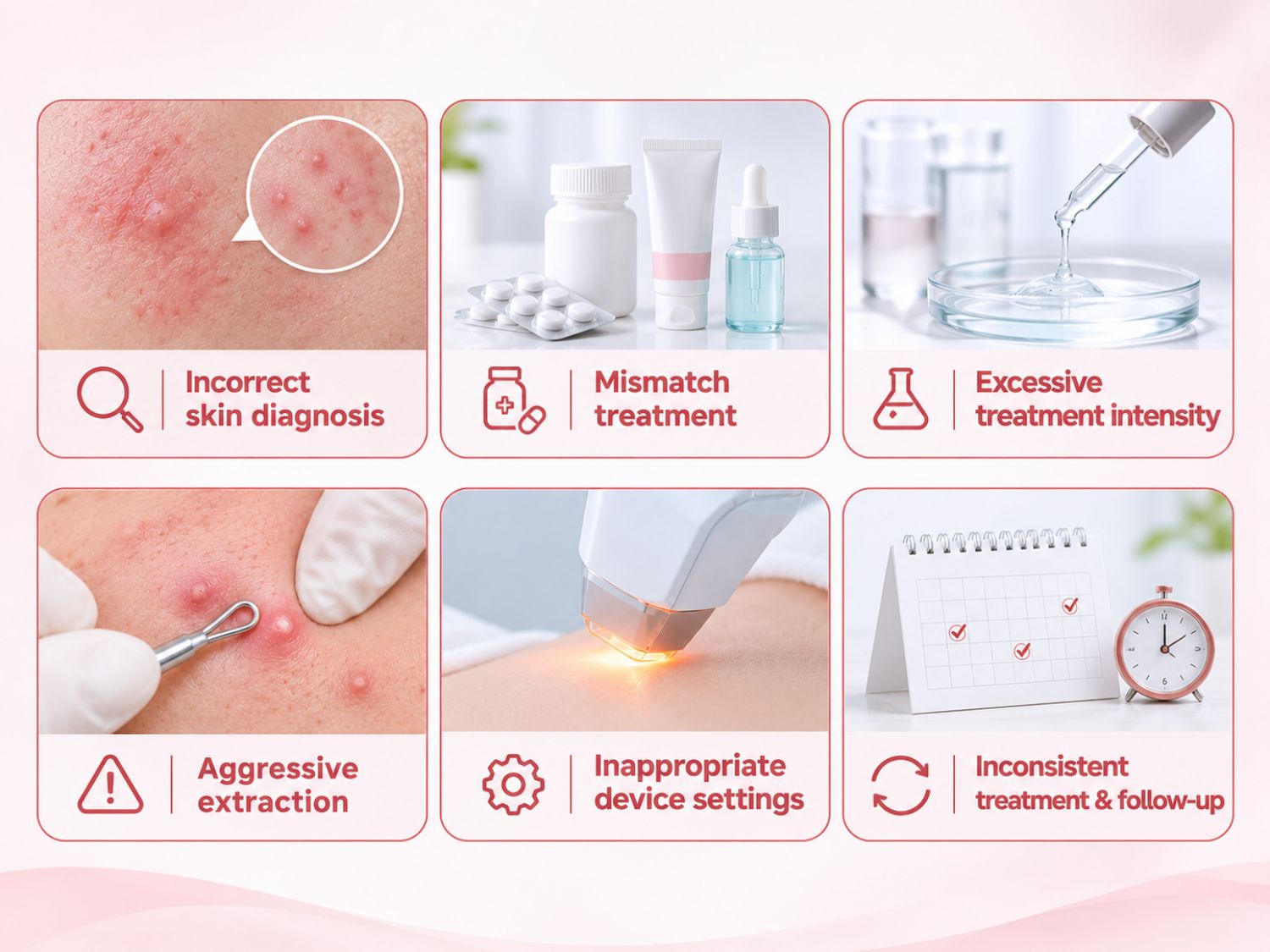
For Danica, the combination of professional extraction and a newly introduced strong acne product makes it important to investigate whether her worsening skin reflects irritation, the natural development of acne, or a reaction to the procedure.
Acne treatment may be going wrong when symptoms become progressively worse, cause significant discomfort, or fail to improve after an appropriate treatment period. Mild temporary redness is different from persistent inflammation, skin injury, or infection.
The following table helps distinguish expected treatment responses from warning signs.
| Skin reaction | What it may indicate | Recommended action |
| Mild redness or tightness that gradually improves | Temporary irritation following a procedure or new skincare product | Follow aftercare instructions and monitor recovery |
| Mild dryness or peeling after starting a retinoid | A common treatment-related reaction | Ask the clinician whether to adjust application frequency or add moisturizer |
| New pimples during the first weeks of treatment | Natural acne progression, a possible early treatment adjustment, or irritation | Review the timing, location, and severity of breakouts |
| Persistent burning, swelling, or widespread redness | Significant irritation, contact dermatitis, or an inappropriate treatment | Stop the suspected newly introduced product and arrange prompt medical assessment |
| Blisters, open wounds, increasing pain, or spreading pus | Possible burn, infection, or significant skin injury | Seek urgent medical evaluation |
| Little improvement after an adequate treatment trial | An ineffective regimen, incorrect diagnosis, or poor treatment adherence | Reassess the diagnosis and treatment plan |
Acne extraction, chemical exfoliation, light-based procedures, and acne medications can cause problems when used for the wrong condition or without proper precautions. Their benefits and limitations differ, so treatment selection matters more than simply choosing the strongest available option.
Professional extraction can help remove selected blackheads and whiteheads when performed correctly.
However, squeezing deep inflammatory nodules or cysts may rupture already inflamed tissue beneath the skin, causing additional inflammation and increasing the risk of scarring. Extraction should not replace medical treatment for severe acne.
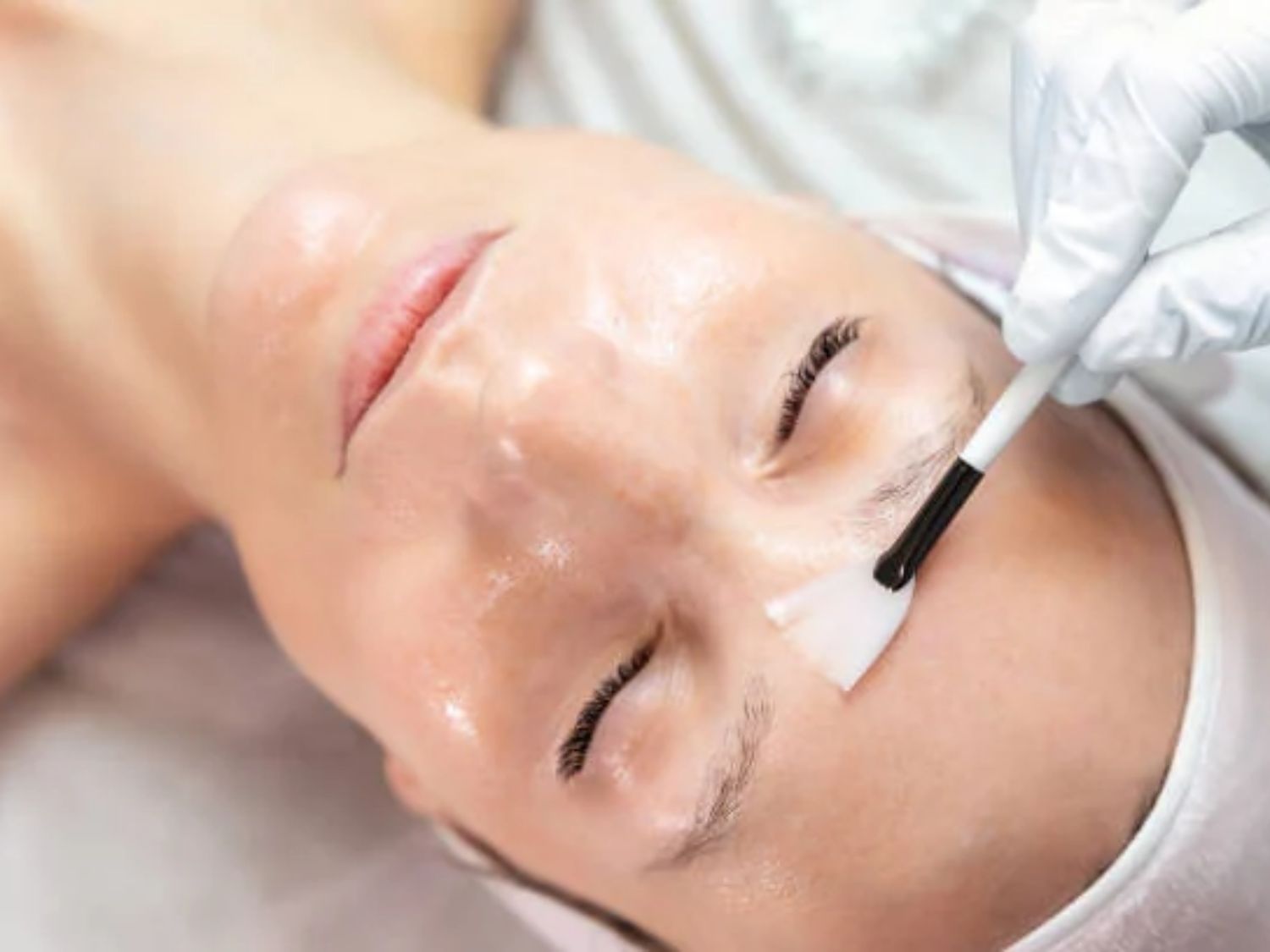
Salicylic acid and other exfoliating agents can help loosen dead skin cells and reduce pore blockage.
However, using excessively strong products or combining multiple acids can cause irritation or chemical injury. Stronger peeling does not necessarily mean better acne control, especially when the skin barrier is already damaged.
Blue-light therapy may help reduce certain inflammatory pimples, while IPL and other light-based technologies are sometimes used as additional treatment options.
Their effectiveness varies, and light treatments alone may not adequately manage severe nodules or cysts. Incorrect device settings or unsuitable treatment candidates may also experience burns or pigmentation changes.
Benzoyl peroxide, retinoids, and selected prescription medicines can effectively manage different acne mechanisms when used appropriately.
Nevertheless, excessive topical application can cause irritation, while unnecessary or prolonged antibiotic use can contribute to antibiotic resistance. Oral isotretinoin requires medical supervision and strict pregnancy precautions because it can cause severe fetal harm.
The American Academy of Dermatology’s 2024 acne guidelines strongly recommend evidence-based options including benzoyl peroxide, topical retinoids, selected antibiotics, and isotretinoin for appropriate severe cases.
If acne treatment makes your skin worse, the first step is to determine whether the reaction is mild irritation, worsening acne, or a complication requiring medical care. Continuing aggressive treatment without understanding the cause may increase skin damage.
A practical response includes the following steps:
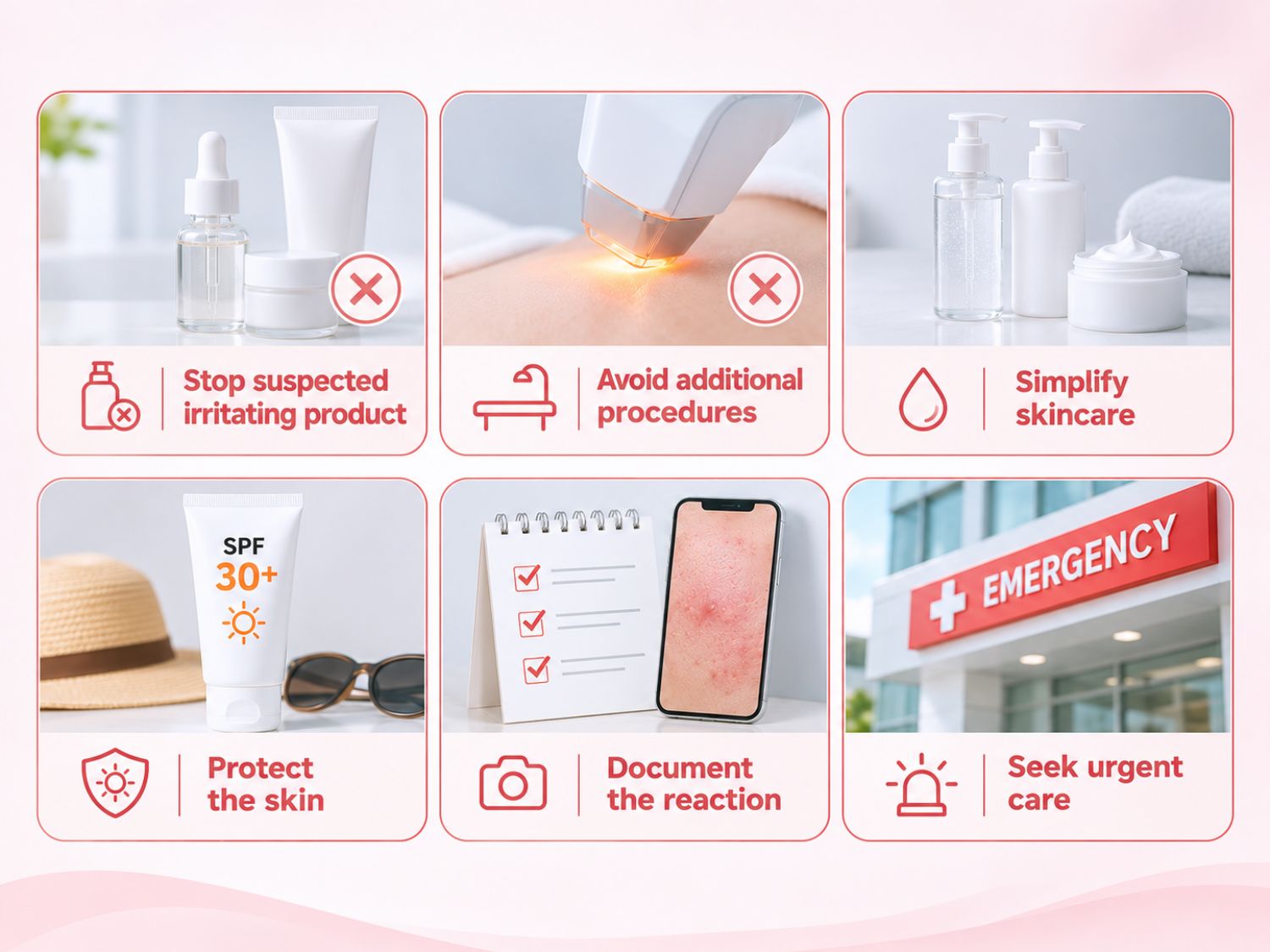
For Danica, the safest next step would be to review her recent facial procedure and skincare products before attempting another strong treatment.
Incorrect acne treatment can contribute to long-lasting dark spots, depressed scars, raised scars, or abnormal skin pigmentation. These complications are more likely when treatment causes significant inflammation, deep tissue injury, infection, or burns.
Inflammation can stimulate the skin to produce excess melanin, leaving brown or grayish marks after acne or skin injuries heal. This is called post-inflammatory hyperpigmentation (PIH).
People with medium to deeper skin tones, including many Filipinos, may be more likely to develop noticeable pigmentation after skin irritation.
Sun exposure can also make existing dark marks more persistent.
Permanent scars develop when inflammation or injury damages the supporting structure of the skin.
Loss of tissue may produce depressed acne scars, while excessive scar tissue can create raised scars.
Unlike flat pigmentation, structural scars generally require different treatments and may not fully disappear.
Sunwoo Aesthetic Center describes its Advanced Acne Treatment as a doctor-guided, eight-step program that combines skin assessment, professional procedures, selected technologies, and personalized home care. This structured approach provides opportunities to assess acne severity, choose suitable procedures, and review skin tolerance throughout treatment.
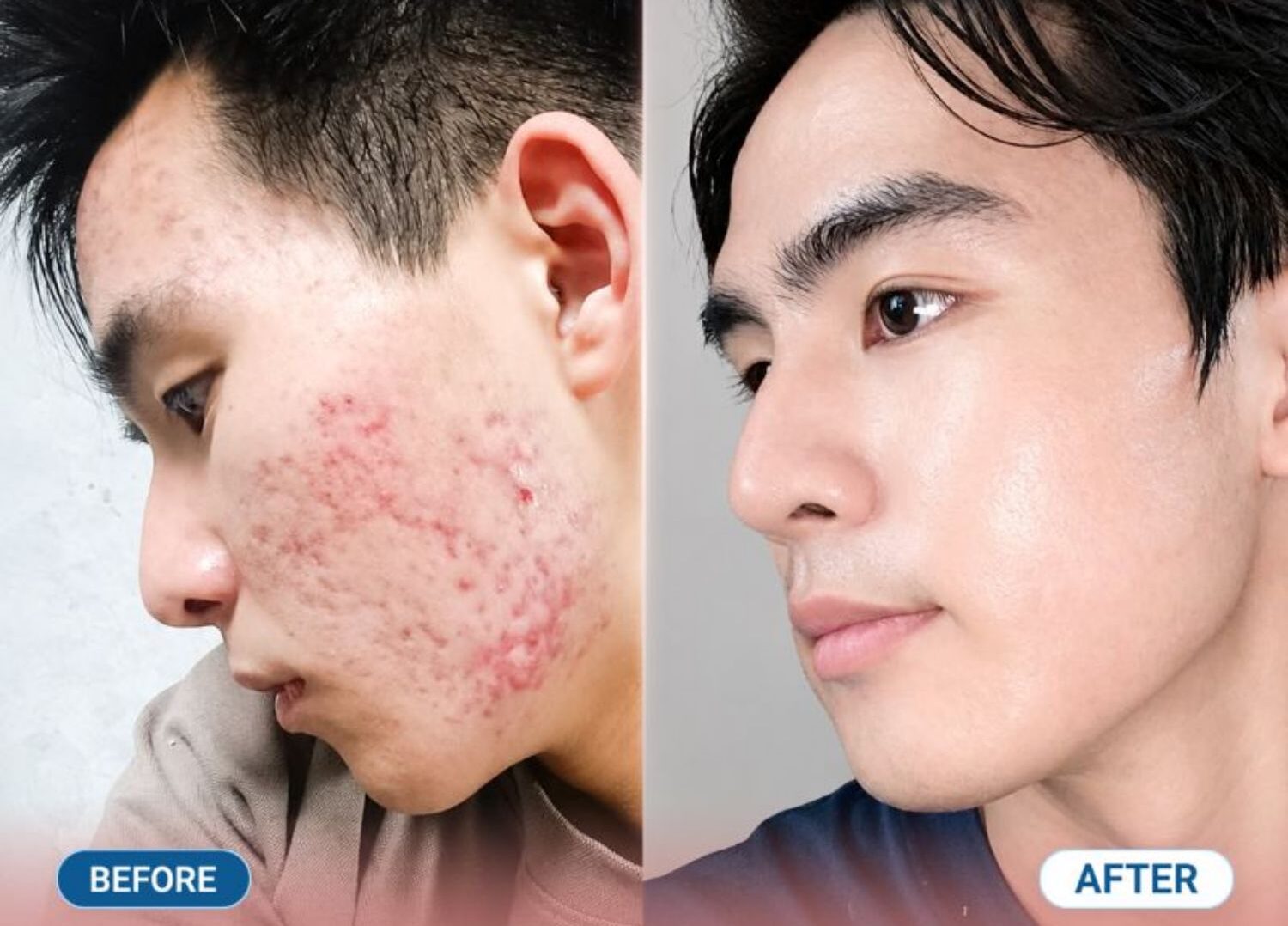
The suitability of each step should be determined through clinical assessment, and no treatment can guarantee the complete absence of adverse effects or future breakouts.
Choose a personalized approach with Sunwoo Aesthetic Center. Located in Taguig, Metro Manila, Sunwoo combines Korean-inspired aesthetic care, doctor-guided skin assessment, an eight-step acne treatment framework, and individualized aftercare recommendations. Book a consultation with Sunwoo Aesthetic to understand your acne condition and discuss a treatment plan that considers both effectiveness and skin safety.
No, stronger peeling does not indicate better acne treatment results. Excessive peeling may reflect irritation or damage to the skin barrier, especially when several exfoliating products are used together.
It is best to avoid applying makeup over broken, blistered, or severely irritated skin until it has been assessed and has sufficiently recovered. Once the skin is intact and comfortable, a gentle, non-comedogenic product may be suitable according to your clinician’s advice.
Not without reviewing the cause of the previous pigmentation changes. A clinician should assess whether the reaction was related to inflammation, device settings, sun exposure, or another factor before deciding whether the treatment can be modified or should be avoided.
Yes, acne can return because hormonal influences, excess oil production, and pore blockage may continue after visible breakouts improve. A suitable maintenance routine and follow-up plan can help reduce future flare-ups, although recurrence cannot always be prevented.