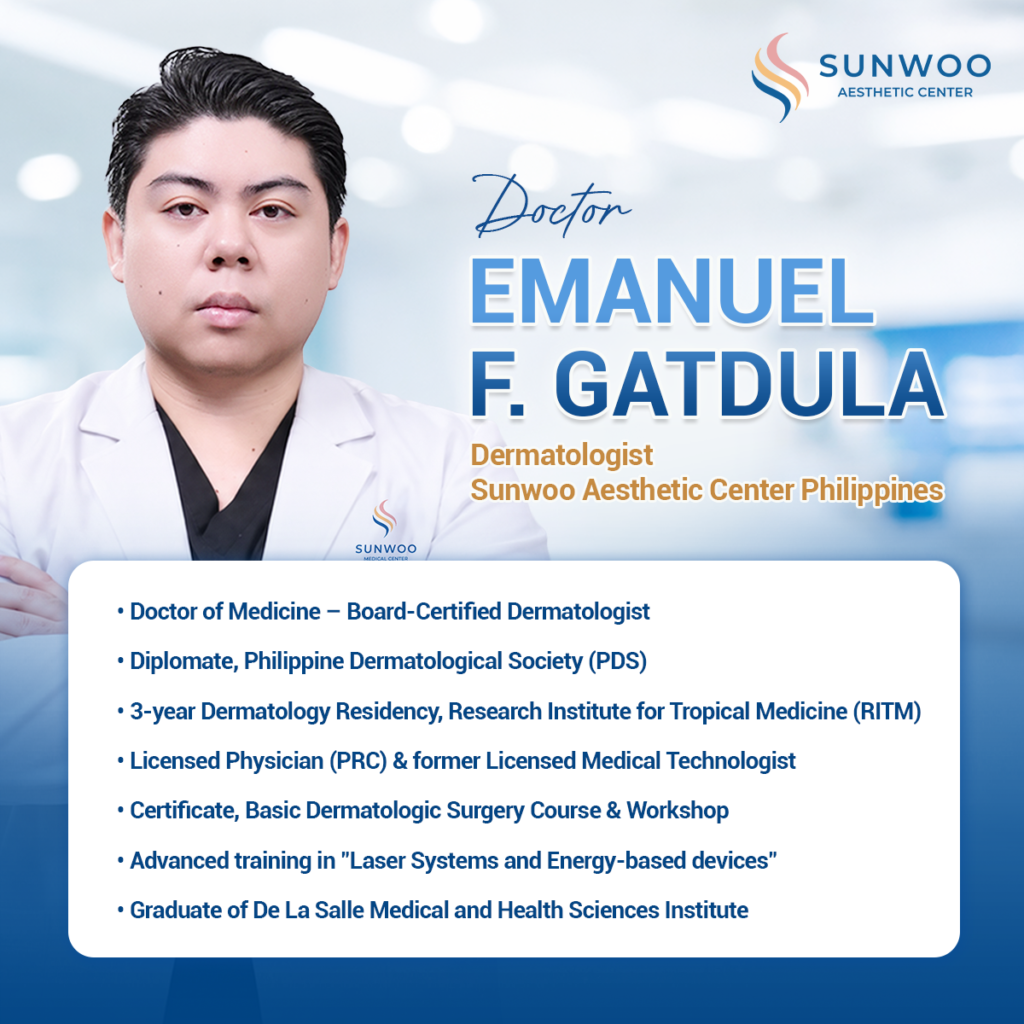
Andrea Santos (27, Quezon City, Metro Manila, Philippines): What are the risks and side effects of acne treatment? I’ve had recurring pimples on my cheeks and chin for almost two years. I want to try professional acne treatment, but I’m worried that extraction, light therapy, or strong acne products might damage my skin, leave dark spots, or make my breakouts worse. How can I know which reactions are normal?
Doctor’s Answer:
The risks and side effects of acne treatment commonly include temporary redness, dryness, peeling, mild swelling, and skin sensitivity. However, inappropriate treatment or excessive skin irritation may increase the risk of infection, post-inflammatory hyperpigmentation (dark marks after inflammation), and scarring. Most side effects can be managed by selecting treatment according to acne severity, skin sensitivity, and medical history.
Mild redness, dryness, and temporary sensitivity are relatively common during acne treatment.
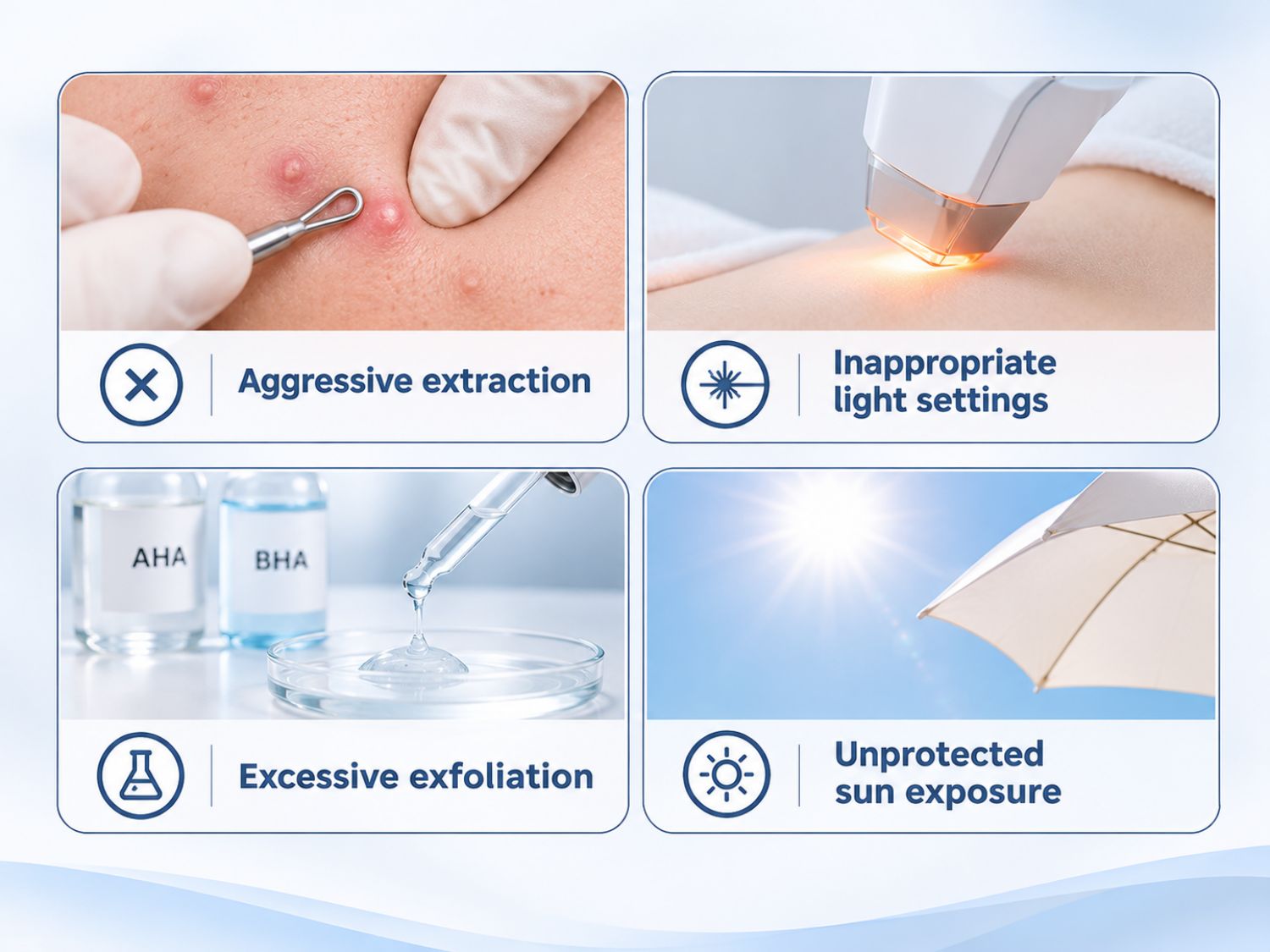
Acne extraction and light-based procedures have different risks from topical or oral medications.
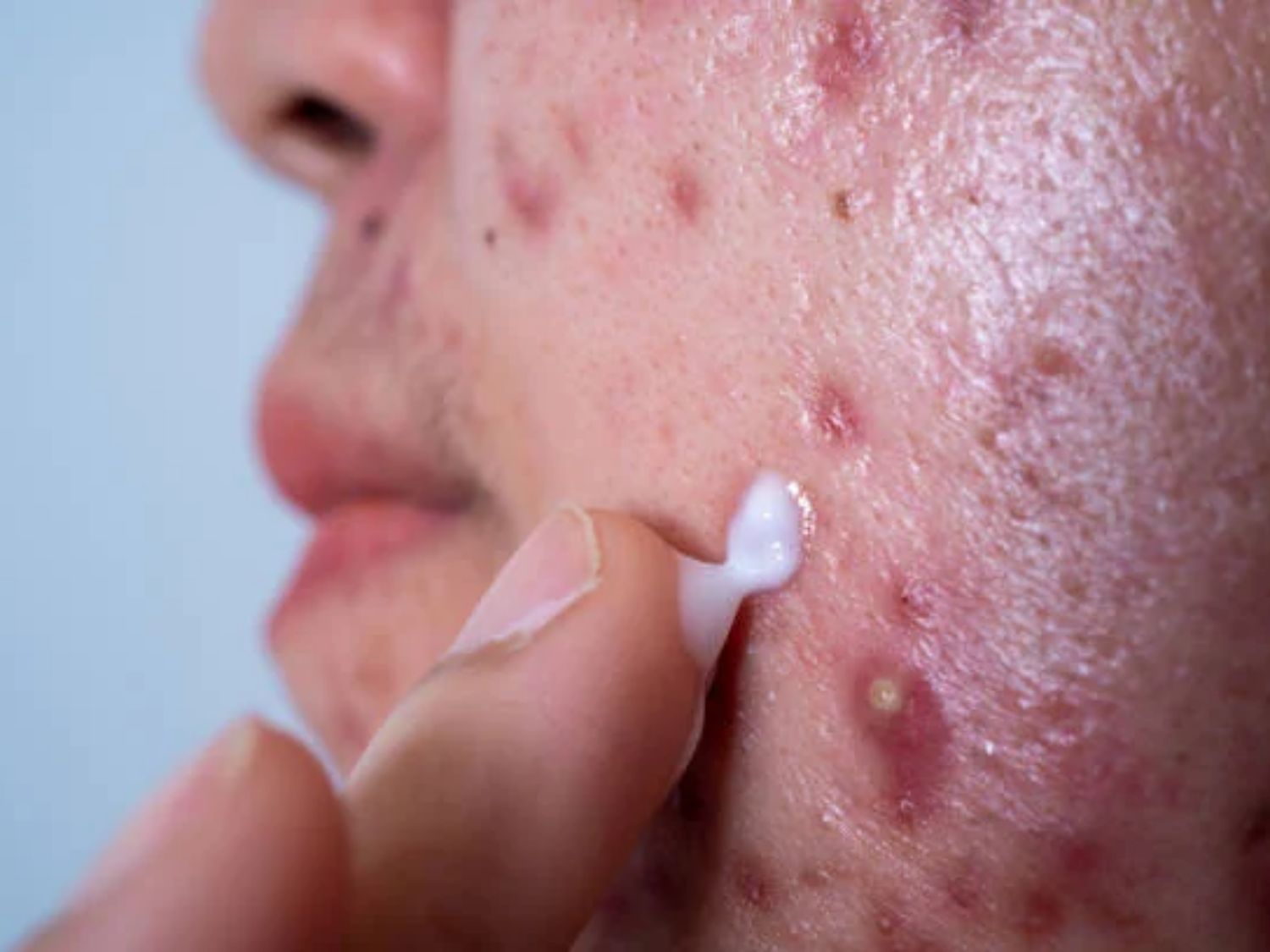
Dark spots and scarring are more likely when inflammation is severe or the skin is injured.
The most common acne treatment side effects are redness, dryness, peeling, temporary tenderness, and increased skin sensitivity. These reactions occur because acne treatments may remove surface buildup, act on blocked pores, or reduce inflammation through ingredients and procedures that temporarily affect the skin.
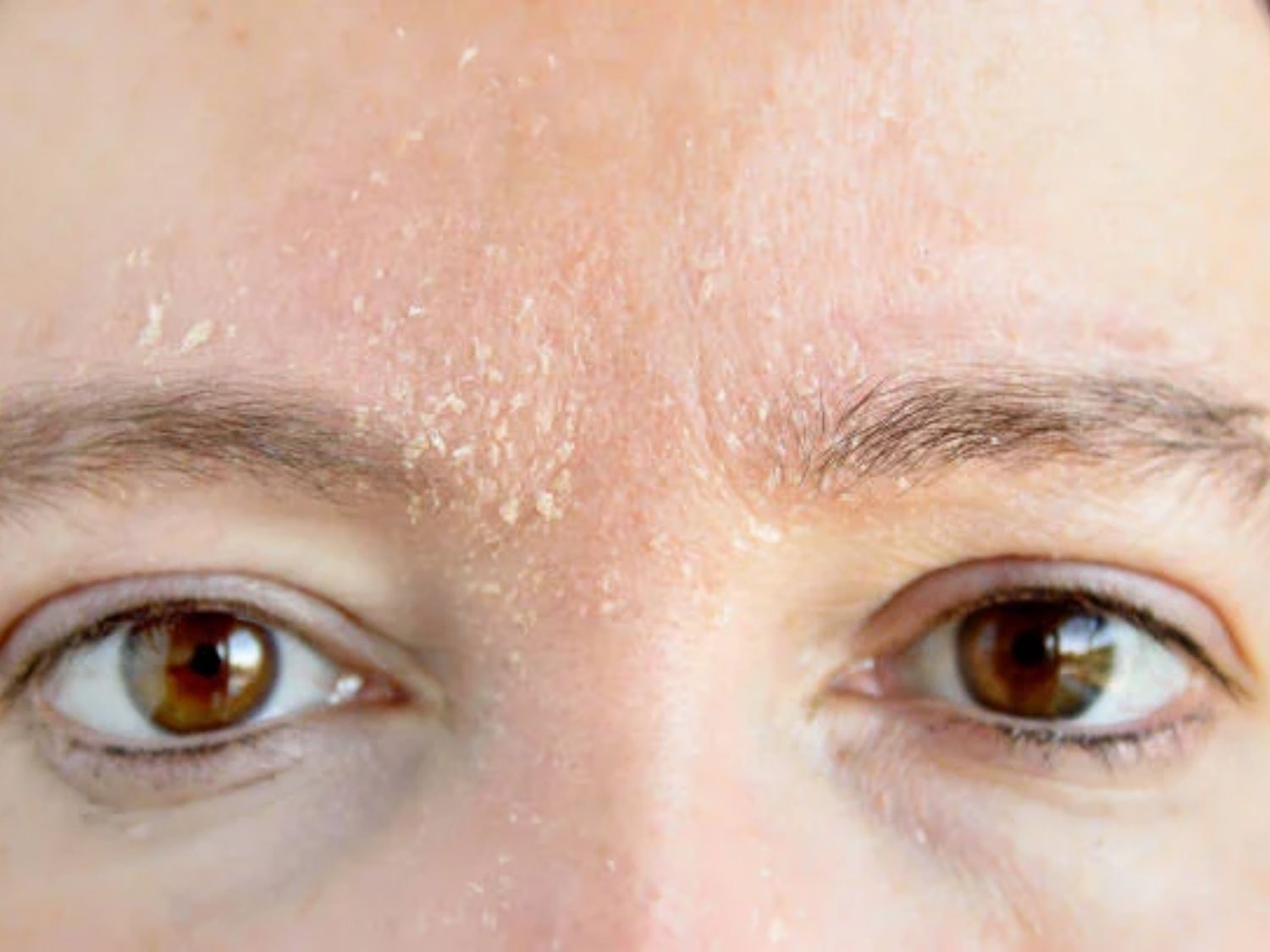
For Andrea, the most important distinction is whether the reaction is mild and gradually improving or becomes increasingly painful, widespread, or persistent.
Each acne treatment method has a different safety profile depending on how it works, how deeply it affects the skin, and the client’s existing skin condition. A treatment suitable for clogged pores may not be appropriate for deep, painful cystic acne.
The following comparison includes methods described in Sunwoo Aesthetic’s Advanced Acne Treatment program and other commonly prescribed acne therapies.
| Acne treatment method | Main purpose | Common side effects | Potential risks and limitations |
| High-frequency treatment | Used as an adjunct during some professional acne procedures | Temporary warmth or tingling | Incorrect use may irritate or burn the skin; clinical benefits depend on the device and protocol |
| Blue-light therapy | Help manage some inflammatory acne lesions | Mild redness or temporary sensitivity | Results vary; generally not sufficient alone for severe acne |
| Intense Pulsed Light (IPL) | Selected light-based treatment for certain inflammatory and skin concerns | Warmth, redness, or temporary swelling | Improper settings can cause burns, blisters, or pigmentation changes |
| Topical acne medications | Unclog pores, reduce bacteria, and control inflammation | Dryness, peeling, redness, or irritation | Excessive application may worsen skin-barrier damage |
| Oral acne medications | Treat moderate, severe, or persistent acne when indicated | Depends on medication; may include digestive discomfort, dryness, or sun sensitivity | Antibiotic resistance, medication-specific adverse effects, and special precautions require medical supervision |
These methods are not interchangeable.
For example, extraction is generally more appropriate for selected blackheads and whiteheads than for deep inflammatory nodules. Attempting to squeeze deep acne lesions can increase inflammation and tissue injury.
Similarly, blue-light therapy and IPL are different technologies. Blue light primarily targets acne-related biological processes, whereas IPL delivers a broader range of light wavelengths and requires careful parameter selection.
The American Academy of Dermatology (AAD) 2024 acne management guidelines recommend evidence-based treatments such as benzoyl peroxide, topical retinoids, selected antibiotics, and oral isotretinoin for appropriate severe cases.
Acne treatment can contribute to dark spots or permanent scars when it causes excessive inflammation, burns, infection, or physical injury to the skin. However, many dark marks develop from acne itself rather than from the treatment.
Understanding the difference between pigmentation and scarring is particularly important for people with medium to deeper skin tones.
Post-inflammatory hyperpigmentation (PIH) occurs when inflammation stimulates excess melanin production, leaving brown or dark patches after a pimple or skin injury heals.
People with medium to darker skin tones, including many Filipinos, may be more prone to noticeable PIH.
Several factors can increase this risk:
Unlike flat dark marks, acne scars involve changes in the skin’s structure.
Deep inflammatory acne can damage surrounding tissue and produce depressed scars, while some individuals develop raised scars.
Although professional acne treatment aims to reduce future inflammation and scarring, no procedure can guarantee that scars will never form.
Clients with sensitive skin, active skin inflammation, a history of pigmentation problems, or certain medical conditions may face higher treatment risks. The safest approach depends on the individual’s skin characteristics and the treatment being considered.
Persistent severe pain, blistering, spreading redness, or signs of infection are not expected reactions to routine acne treatment. These symptoms require timely medical assessment because early intervention may prevent deeper injury.
Watch for the following:
Seek emergency medical care for breathing difficulty, swelling of the tongue or throat, faintness, or other symptoms of a severe allergic reaction.
Acne treatment risks can be reduced through an accurate skin assessment, appropriate treatment selection, gentle skincare, and consistent follow-up. Prevention begins before the first session rather than only after side effects appear.
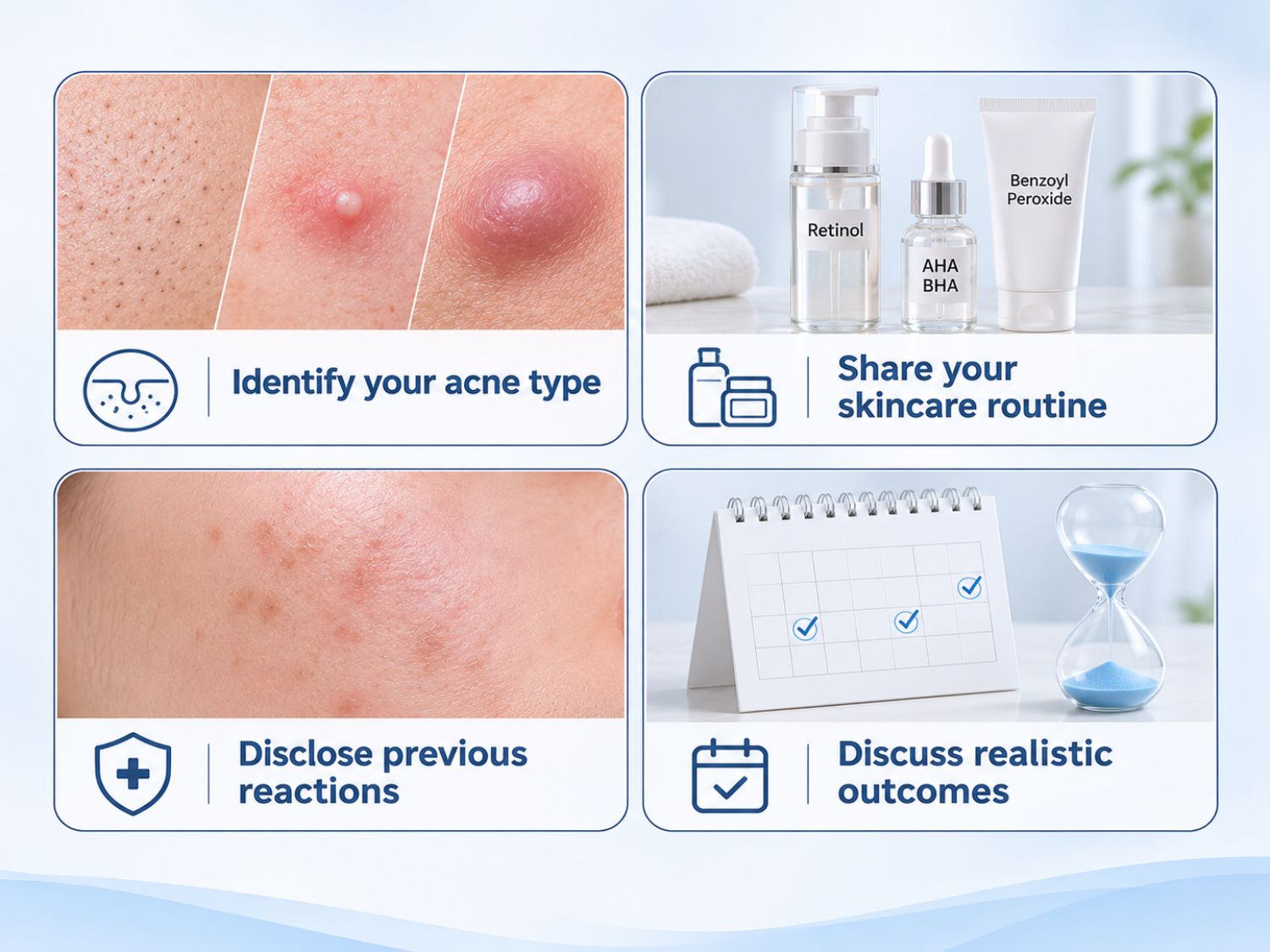
For clients living in the Philippines, heat, humidity, sweating, and frequent outdoor exposure make a practical skincare routine especially important. Lightweight, non-comedogenic products and consistent sun protection can help maintain treatment tolerance.
Sunwoo Aesthetic Center describes its Advanced Acne Treatment as a doctor-guided, multi-technology program that combines skin assessment, targeted procedures, and home-care recommendations. Its published approach focuses on addressing active acne, post-acne marks, and future breakouts through an individualized treatment plan.
According to the clinic’s Advanced Acne Treatment service page, the eight-step protocol includes:
The published protocol provides a framework for assessing and managing acne, but individual treatment suitability and outcomes still require clinical evaluation.
For clients like Andrea, the priority should be selecting the necessary treatment steps rather than assuming that every available procedure will benefit their skin.
Take the next step with Sunwoo Aesthetic Center. Located in Taguig, Metro Manila, Sunwoo offers Korean-inspired aesthetic care with doctor-guided skin assessment, multi-technology acne treatment, and personalized aftercare. Book a consultation to discuss your acne concerns, possible side effects, and a treatment plan suited to your skin.
Yes, certain acne medications or skincare ingredients can trigger allergic reactions, although irritation is more common than a true allergy. Itching, swelling, hives, or a spreading rash should be assessed promptly, particularly if symptoms worsen after applying a product.
Yes, acne can be treated safely across different skin tones when methods and treatment settings are selected appropriately. However, medium to darker skin may be more prone to post-inflammatory pigmentation after excessive irritation, burns, or aggressive extraction.
Permanent damage is uncommon with appropriately selected and performed treatment, but scarring or lasting pigmentation changes can occur after severe inflammation, burns, or infection. Early recognition of abnormal reactions and prompt medical assessment can help reduce the risk of lasting complications.