Maria Cristina Reyes (42, Makati City, Metro Manila, Philippines): I have type 2 diabetes and take medication for high blood pressure. I’ve been dealing with persistent acne on my cheeks and chin, and I’m considering professional treatment. Is acne treatment safe for people with diabetes or hypertension? I’m worried about slow healing, infections, and whether acne medications might affect my health. What should I do if something feels wrong after acne treatment?”
Doctor’s Answer:
Acne treatment is generally possible for people with diabetes or hypertension, provided their medical conditions are appropriately managed and treatment is selected after a professional assessment. However, diabetes may increase the risk of delayed wound healing and infection, while certain acne medications can interact with blood pressure treatments or affect cardiovascular health.
Acne treatment is generally safe for people with diabetes or hypertension, provided blood sugar and blood pressure are well-controlled and evaluated by a doctor first.
Diabetes slows skin recovery, increasing the risk of delayed wound healing and infection after invasive procedures like extractions or chemical peels.
Certain acne medications carry cardiovascular risks, such as spironolactone (affects blood pressure and potassium) and estrogen pills (unsuitable for severe hypertension).
Diabetes can affect acne treatment safety because elevated blood sugar may interfere with the body’s ability to fight infections and repair damaged skin. These concerns are particularly relevant to treatments involving extraction, chemical exfoliation, or other procedures that can disrupt the skin barrier.
How does diabetes affect skin recovery?
When blood sugar remains poorly controlled, several changes may occur:
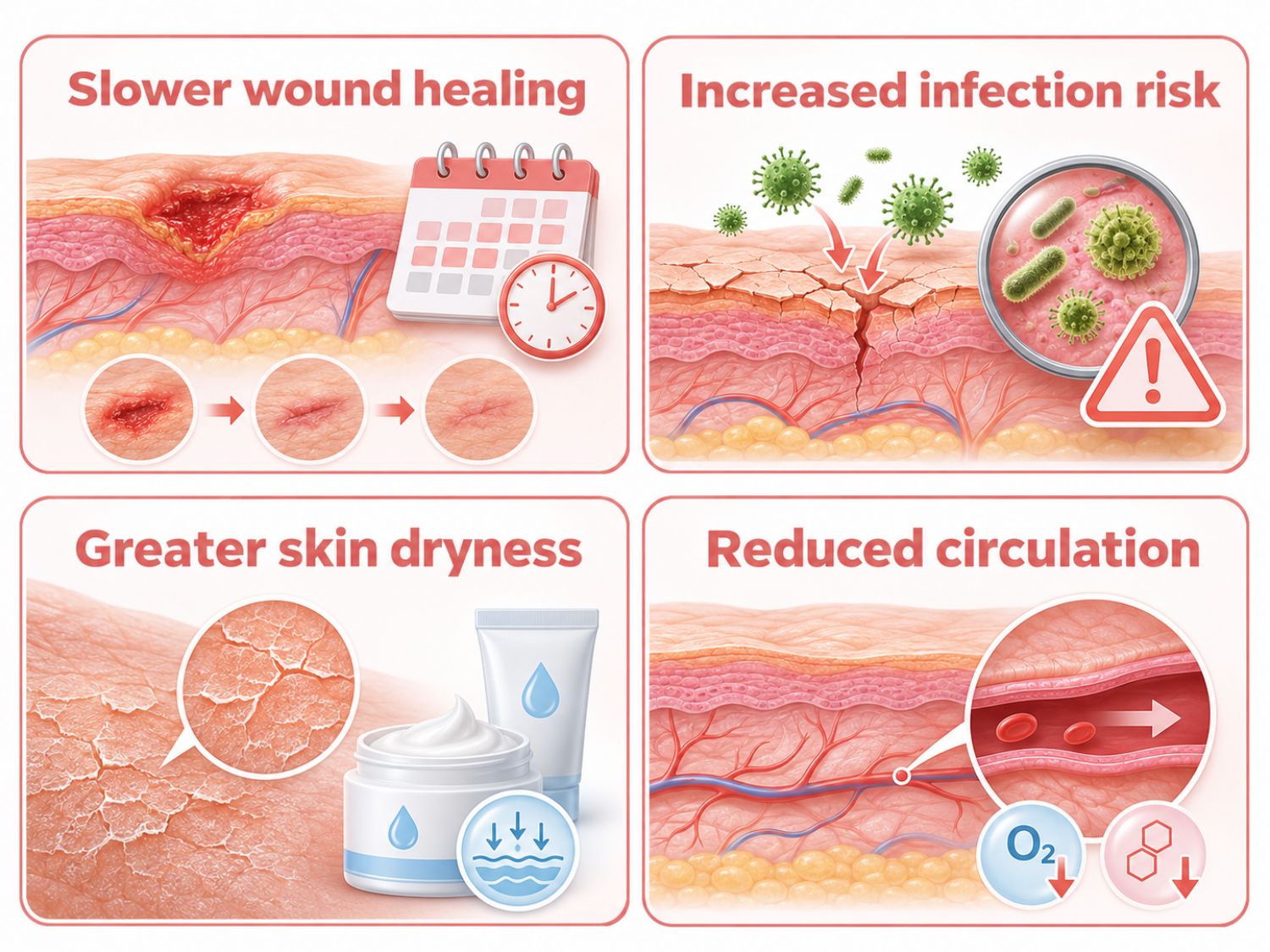
For example, a patient with well-managed diabetes and healthy skin may tolerate carefully selected acne treatment without significant problems.
However, someone with persistently elevated glucose levels, recurrent skin infections, or poorly healing wounds may need to stabilize their condition before undergoing elective procedures.
The American Academy of Dermatology – Dermatologist-Recommended Skin Care for People With Diabetes explains that diabetes can contribute to dry skin, irritation, slow healing, and serious infections. The association recommends protecting the skin barrier, promptly treating wounds, and seeking medical care when an infection is suspected.
Hypertension does not automatically make topical acne treatment or professional skincare unsafe. However, blood pressure control is particularly important when considering hormonal medications, certain oral treatments, or procedures that may involve pain, stress, or additional medical risks.
Why does blood pressure matter?
High blood pressure can influence treatment decisions in several ways:
For patients like Maria, the key question is not simply whether they have hypertension, but whether their condition is controlled and which medications they are taking.
A gentle topical acne treatment may be appropriate even when some stronger oral medications are unsuitable.
Several acne treatment options may be suitable for patients with diabetes or hypertension, including topical medications and selected professional procedures. Their safety depends on acne severity, skin condition, disease control, and the treatment’s potential risks.
| Acne treatment | For patients with diabetes | For patients with hypertension | Main precautions |
| Topical benzoyl peroxide or retinoids | Often suitable | Often suitable | Monitor dryness, irritation, and skin barrier damage |
| Oral antibiotics | May be appropriate when prescribed | May be appropriate when prescribed | Review kidney function, other medications, and potential adverse effects |
| Professional acne extraction | Requires caution if healing is impaired | Often possible when blood pressure is controlled | Avoid unnecessary skin trauma and infection |
| Superficial chemical peels | Individual assessment required | Individual assessment required | Consider irritation, pigmentation, and wound-healing risks |
| Blue-light or selected laser treatments | May be considered after assessment | May be considered after assessment | Evaluate skin sensitivity, device settings, and recovery |
| Hormonal acne medications | Requires medical and medication review | Requires particular caution | Assess cardiovascular risks, kidney function, and drug interactions |
Spironolactone, estrogen-containing hormonal treatments, and certain systemic acne medications require closer medical assessment in patients with diabetes or hypertension. The main concerns include changes in blood pressure, potassium levels, kidney function, and cardiovascular risks.

Patients with diabetes or hypertension should provide their doctor with an accurate medical history, current medication list, and relevant monitoring results before starting professional acne treatment. This allows the medical team to identify potential risks and select appropriate treatments.
Before your appointment, prepare the following information:
If unusual symptoms develop after acne treatment, stop using suspected irritating topical products and assess whether the reaction is mild, worsening, or potentially serious. Patients with diabetes should be especially attentive to signs of infection or wounds that are not healing normally.
Follow these precautions:
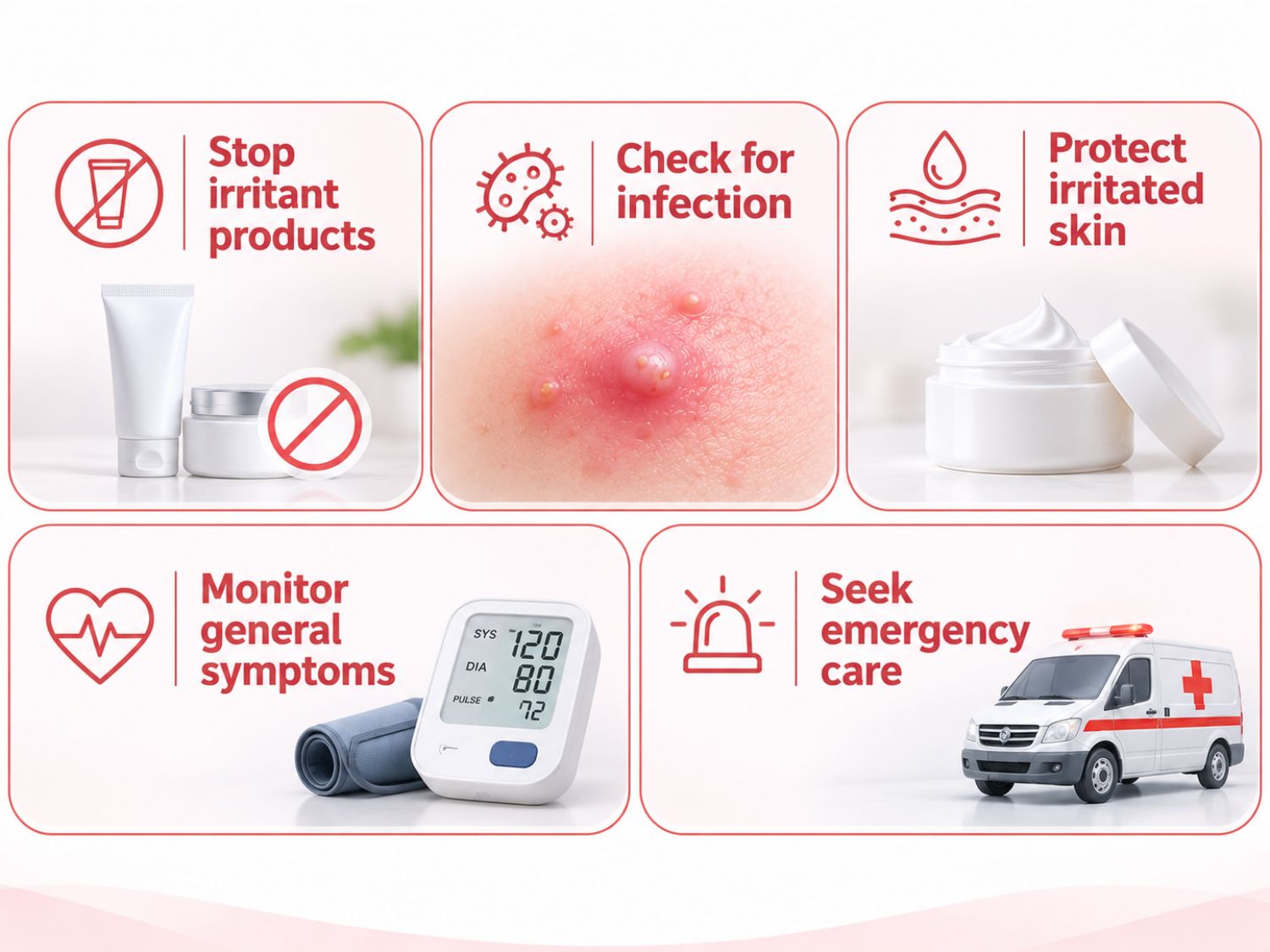
For Maria, redness or mild dryness after starting a topical acne product may be manageable through treatment adjustment. However, a painful wound that becomes increasingly swollen or fails to heal should be examined promptly because diabetes can complicate skin recovery.
Looking for personalized acne treatment in Metro Manila? Sunwoo Aesthetic Center in Taguig combines doctor-led skin consultations, Korean-standard aesthetic care, and individualized acne treatment planning. Explore Sunwoo’s Advanced Acne Treatment or contact +63 96 8885 8885 to arrange a consultation and discuss your medical history before treatment.
Yes, topical benzoyl peroxide is generally an option for people with diabetes because it primarily acts on the skin. However, it can cause dryness and irritation, so patients with damaged skin or poor wound healing should use it according to their doctor’s instructions.
Blue-light acne treatment may be suitable for patients with controlled hypertension because it does not normally require systemic medication or invasive skin injury. However, suitability depends on the device, current health status, and whether additional procedures are planned.
Metformin does not automatically prevent patients from using standard topical acne treatments. However, your doctor should review all medications before prescribing oral acne drugs or planning procedures, particularly if diabetes has affected kidney function.
Poorly controlled diabetes may interfere with skin repair and increase the risk of complications after skin injury. However, acne scarring is also strongly influenced by the depth of inflammation, genetics, and manipulation of acne lesions, so diabetes alone does not determine whether scars will develop.
Advanced Acne Treatment at Sunwoo Aesthetic Center
What Happens During Your First Consultation at Sunwoo Aesthetic Center?
Why Choosing a Licensed Dermatologist Matters for Your Aesthetic Treatments
Meet the Medical Team Behind Sunwoo Aesthetic Center: Expertise, Care & Commitment