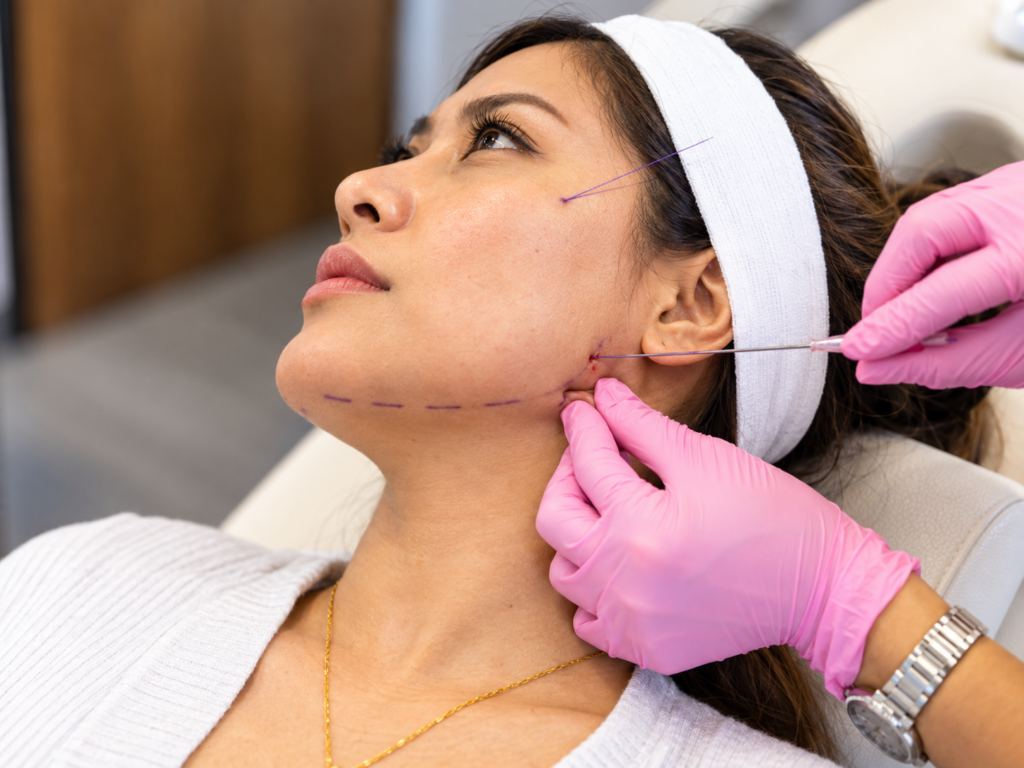
Janelle Mendoza (28, Pasig City, Metro Manila, Philippines): I recently had a professional acne facial and started using a new acne cream. My skin is now red, tight, and stinging more than usual. I’m worried it might be damaged, but I’m not sure whether this is normal. What should I do if something feels wrong after acne treatment? What acne treatment warning signs should I watch out for?”
Doctor’s Answer:
If something feels wrong after acne treatment, stop using any product that appears to be causing a reaction and assess whether your symptoms are improving or getting worse. Mild redness, dryness, and temporary sensitivity can occur after certain acne treatments, but severe burning, spreading redness, blisters, pus, or increasing pain are warning signs that require medical attention.
Mild, improving redness or dryness may be expected after some acne treatments, but worsening symptoms should not be ignored.
Severe swelling, breathing difficulties, or throat tightness require emergency medical attention.
Stop suspected irritating topical products and avoid additional strong skincare treatments until the reaction has been assessed.
The most important acne treatment warning signs are symptoms that become more severe, spread beyond the treated area, or suggest infection, skin injury, or an allergic reaction. Mild discomfort can occur during recovery, but increasing pain, significant swelling, and blistering should not be considered normal without medical assessment.
The following table can help you understand which symptoms require closer attention.
| Symptoms after treatment | What they may indicate | Recommended action |
| Mild redness or tightness that steadily improves | Temporary irritation or an expected treatment response | Follow aftercare instructions and monitor |
| Dryness or light peeling without severe pain | Skin adjustment to acne medications or controlled exfoliation | Use gentle skincare and consult your doctor if persistent |
| Persistent burning or worsening redness | Excessive irritation, contact dermatitis, or treatment injury | Stop suspected topical irritants and contact your doctor promptly |
| Blisters, raw skin, or severe pain | Possible chemical or heat-related skin injury | Seek urgent medical assessment |
| Spreading redness, increasing warmth, pus, or fever | Possible skin infection | Seek same-day medical care |
| Throat tightness, breathing difficulty, or rapid swelling of the lips or tongue | Possible severe allergic reaction | Seek emergency medical care immediately |
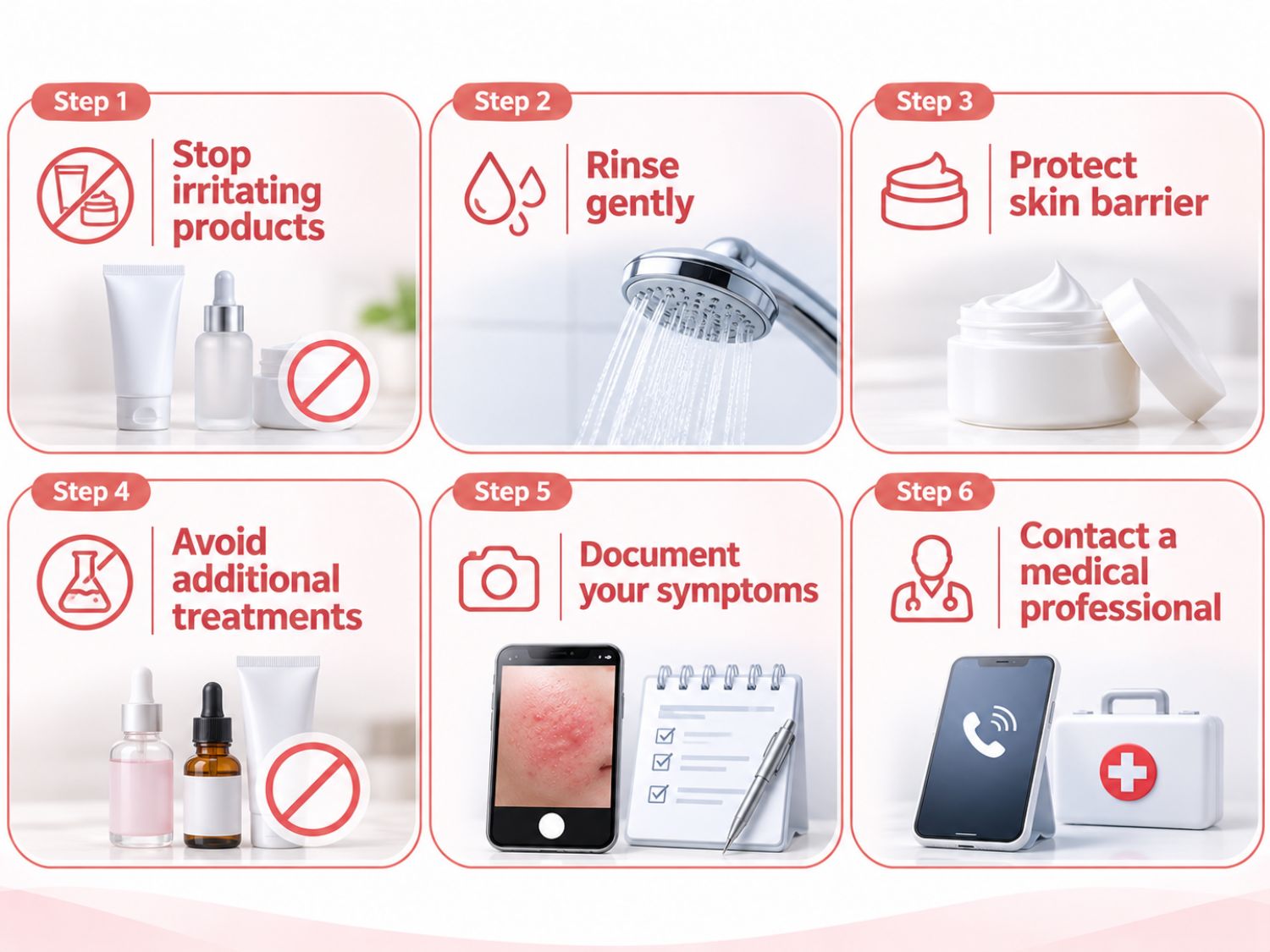
If you experience unexpected irritation after acne treatment, the safest initial approach is to stop suspected irritating topical products, protect the affected skin, and seek professional advice when symptoms are significant or worsening. Avoid attempting to correct the reaction with additional active skincare ingredients.
Follow these steps:
According to the American Academy of Dermatology – Lasers and Lights: How Well Do They Treat Acne?, temporary redness and swelling are common after certain light-based treatments, while lingering pain, burns, blisters, pigment changes, and scarring are less common but possible complications.
An allergic reaction and a skin infection can both cause redness or swelling after acne treatment, but they develop through different mechanisms and may require different medical management. Identifying the cause is important because treating the wrong condition can delay recovery.
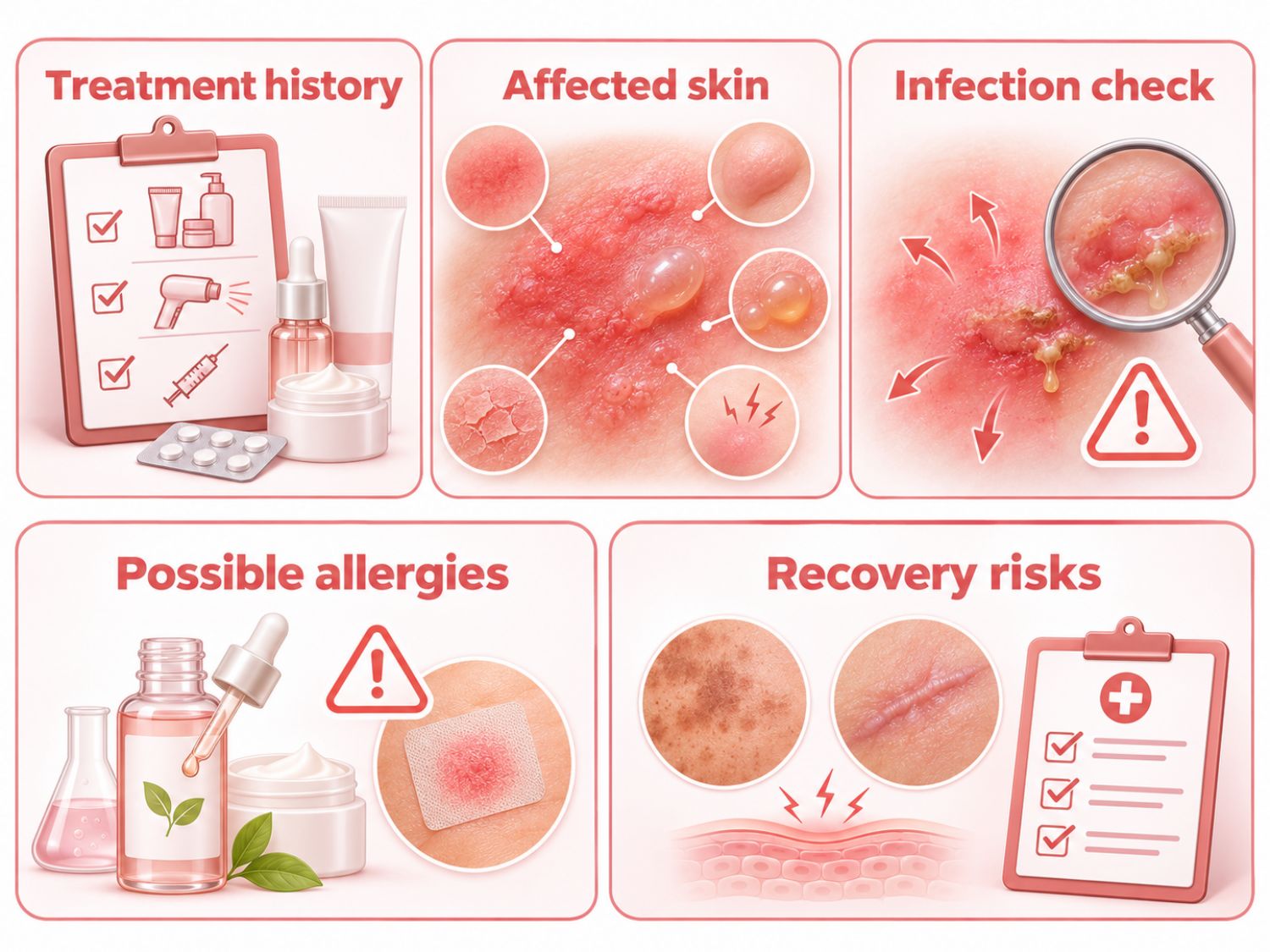
A dermatologist will evaluate the severity of your symptoms, identify possible triggers, and determine whether treatment is needed to control inflammation, manage infection, or support healing. This assessment helps prevent further damage while avoiding unnecessary medication.
A professional evaluation may involve:
Acne treatment should generally be resumed only when the concerning reaction has been assessed and the skin has recovered enough to tolerate the recommended approach. Restarting the same product or procedure too early may trigger further irritation.
The next step depends on the cause of the reaction.
After mild medication irritation
Your dermatologist may recommend a lower concentration, reduced application frequency, additional moisturizer, or a different acne medication.
For example, someone who experiences dryness with a topical retinoid may tolerate treatment better after the application schedule is adjusted.
However, suspected allergies should not be managed by deliberately retrying the same product without medical advice.
After acne extraction
If the skin remains inflamed or tender, further extraction may need to be postponed.
The doctor may focus on controlling active acne medically before considering additional procedures, particularly when deep inflammatory lesions are present.
After a chemical peel or light-based procedure
The treated area should recover according to the specific procedure’s healing requirements.
Persistent redness, blistering, or pigmentation changes may indicate that additional sessions should be delayed or the approach reconsidered.
After an infection or significant injury
Any underlying infection or skin injury needs appropriate treatment before elective acne procedures continue.
A dermatologist may modify the original treatment plan to reduce the likelihood of another adverse reaction.
For Janelle, the decision should not be based solely on how quickly the redness disappears. Because both a facial procedure and a new acne cream were involved, reviewing the full treatment history is important before restarting either one.
Sunwoo Aesthetic Center in Taguig offers a doctor-designed, multi-technology acne treatment program that incorporates skin assessment, selected professional procedures, soothing care, and personalized home-care guidance. This structured approach allows treatment options to be considered according to each patient’s acne condition and skin needs.
Sunwoo’s published Advanced Acne Treatment program follows an eight-step protocol, including:
Concerned about an unusual reaction after acne treatment? Sunwoo Aesthetic Center offers doctor-led skin consultations and individualized acne care at Ground Floor, 20 Upper McKinley Hill, Taguig City. Visit Sunwoo Advanced Acne Treatment or contact +63 96 8885 8885 to arrange an assessment. For emergency symptoms, go directly to an emergency department rather than waiting for a clinic appointment.
Mild warmth can occur briefly after certain procedures, particularly those involving heat or light energy. However, intense heat, increasing pain, significant swelling, or redness that continues spreading may indicate excessive inflammation or skin injury and should be assessed promptly.
If the cream causes significant or worsening burning, stop applying it and contact your prescribing doctor for guidance. Mild irritation can occur with some acne medications, but severe discomfort should not be ignored or treated by applying additional products.
A simple soothing product may be appropriate for mild irritation on intact skin, but botanical ingredients and masks can sometimes cause further reactions. Avoid applying unfamiliar products to blistered, broken, or severely inflamed skin until a medical professional advises you.
Mild redness after extraction often improves within several hours to a day, although the duration varies with skin sensitivity and the extent of treatment. Redness that becomes more painful, spreads, or is accompanied by pus should be evaluated rather than assumed to be normal healing.
Advanced Acne Treatment at Sunwoo Aesthetic Center
Why Choosing a Licensed Dermatologist Matters for Your Aesthetic Treatments
Meet the Medical Team Behind Sunwoo Aesthetic Center: Expertise, Care & Commitment